
Pavetta zeyheri
Pavetta zeyheri
Description
Growing requirements
Pavetta zeyheri is a perennial evergreen shrub or small tree belonging to the Rubiaceae family. Native to the diverse landscapes of tropical and subtropical Africa, this species thrives in forest margins and savannah environments where it benefits from consistent warmth and humidity.
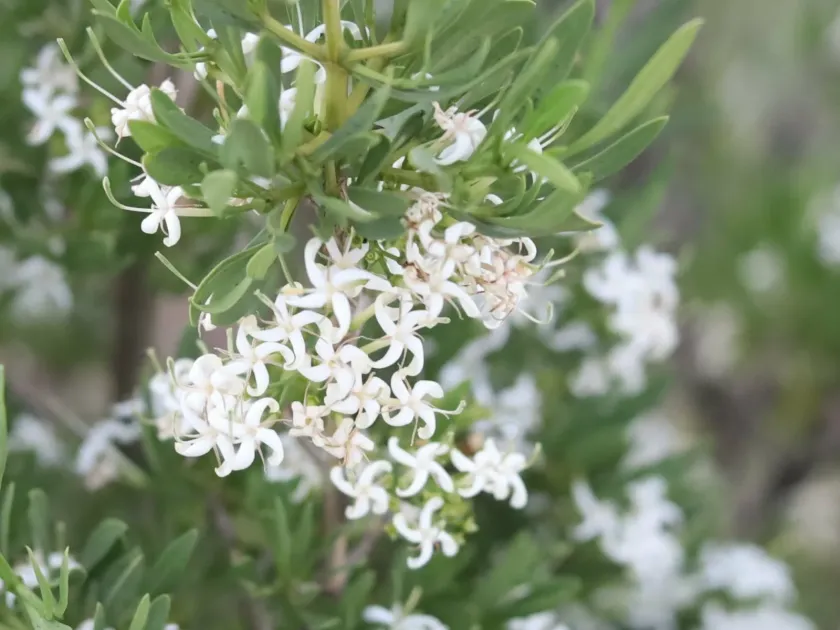
Botanically, the plant is recognized by its leathery, opposite leaves, which often display unique dark bacterial nodules on the lamina surface. During the flowering phase, it produces clusters of fragrant, white or creamy flowers arranged in corymbs, creating an attractive aesthetic appearance.
For successful growth, Pavetta zeyheri requires well-drained and fertile soil conditions with a slightly acidic to neutral pH balance. Consistent moisture levels are necessary, but the soil must facilitate rapid drainage to prevent waterlogging, which the plant does not tolerate well.
The climate requirements for this species are strict, as it is a tropical plant that is sensitive to cold weather and frost. In temperate climates, it is typically managed as a container plant or grown in heated greenhouses to ensure temperatures remain within the optimal range.
Its primary agricultural and horticultural use lies in ornamental landscaping. Due to its dense foliage and showy blooms, it is frequently utilized as a specimen plant, a focal point in tropical gardens, or as a component in hedge formation, provided it receives proper maintenance and pruning.
Main diseases and pests
The plant is susceptible to common sap-sucking pests, including mealybugs and spider mites, particularly when grown in environments with low air humidity or poor ventilation.
Fungal issues, such as root rot, often occur if the root zone remains waterlogged for extended periods, emphasizing the critical importance of proper drainage in cultivation.
Preventative measures include regular inspection of the foliage and stems to identify early signs of infestation and ensuring that the plant is not overcrowded with other vegetation.
Chemical control, when necessary, should be applied with caution, utilizing systemic insecticides or acaricides that are safe for ornamental woody species.
Maintaining the overall health of the shrub through balanced fertilization and appropriate light exposure significantly increases its natural resistance to biotic stress factors.