
Pavetta gardeniifolia
Pavetta gardeniifolia
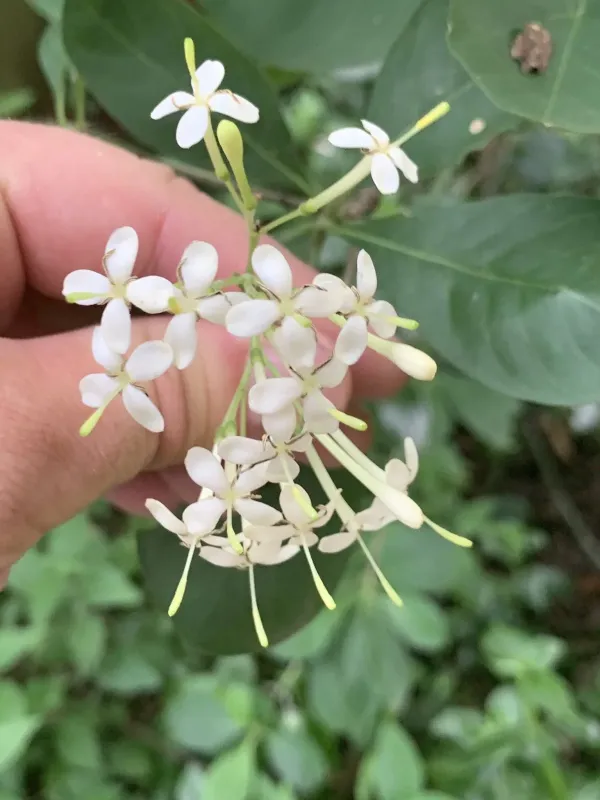
Description
Growing requirements
Pavetta gardeniifolia is a notable species within the Rubiaceae family, widely recognized for its ecological importance in African savannas and woodland ecosystems. As an evergreen shrub, it displays remarkable resilience to the fluctuating climatic conditions inherent to its native tropical habitats.
Successful cultivation of this species requires well-drained soil types that prevent waterlogging, which is critical for root health. The plant thrives best in areas receiving full sunlight to partial shade, allowing it to maintain its dense foliage and vigorous branching pattern throughout the growing season.
Agronomic management involves regular watering during dry periods, although the plant shows moderate drought tolerance once established. The soil should ideally remain slightly acidic to neutral, mirroring the natural conditions where this plant thrives in the wild alongside other shrubland vegetation.
A unique botanical feature of Pavetta gardeniifolia is the presence of bacterial nodules located within the leaf tissue. These symbiotic bacteria aid in nitrogen assimilation, which represents an evolutionary adaptation to nutrient-deficient environments found across much of sub-Saharan Africa.
Economically, the plant is valued primarily for its ornamental qualities, thanks to its clusters of fragrant white or creamy flowers. Furthermore, it holds significant cultural and traditional medicinal value, being utilized in local practices for its potential therapeutic properties.
Main diseases and pests
The primary pests affecting the plant include sap-sucking insects like aphids and mites, which can stunt new growth. Regular monitoring and the application of appropriate biological control methods are recommended to maintain plant vitality in gardens or plantations.
Fungal infections, such as leaf spot or powdery mildew, pose a threat, particularly in regions with high humidity or poor ventilation. Implementing proper spacing between individual plants and ensuring consistent drainage are essential practices to minimize disease incidence.