
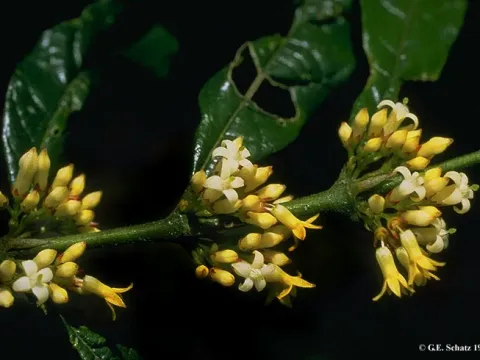
Pauridiantha
Pauridiantha
Pauridiantha belongs to the Rubiaceae family, which is known for a vast array of economically significant tropical plants. These shrubs and small trees are native to the diverse and humid rainforest ecosystems of tropical Africa.
What the section contains

Pauridiantha
The plant demands a strictly tropical climate with consistent temperatures year-round. It is highly intolerant of cold stress, necessitating a climate-controlled greenhouse environment for sustainable agricultural development.
Soil requirements focus on high organic matter content, specifically a well-draining substrate that mimics forest litter conditions. Acidic to neutral soil pH levels are optimal for ensuring nutrient availability for the root system.
Maintaining high atmospheric humidity is essential for the physiological processes of Pauridiantha. Regular misting systems or controlled environmental chambers are standard for maintaining the health of the foliage.
Filtered or indirect light is necessary as the species is adapted to the forest understory. Excessive light intensity will lead to photodamage, reducing the overall vitality and growth rate of the specimen.
Root pathogens represent the most significant threat to Pauridiantha, particularly during the dormant season. Overwatering inevitably leads to hypoxia in the root zone, encouraging fungal development such as Phytophthora.
Common indoor pests including spider mites and mealybugs can colonize the dense foliage. These pests thrive in environments where air circulation is restricted and humidity levels are inconsistent.
Leaf spot diseases, caused by various fungal and bacterial pathogens, often result from poor overhead irrigation practices. Keeping the foliage dry while maintaining air humidity is a delicate balance in cultivation.
Nutrient deficiencies, particularly regarding micronutrients like iron or magnesium, can manifest as interveinal chlorosis. Regular testing of substrate conductivity is recommended to maintain optimal mineral balance.
Mechanical damage to the roots during transplantation can lead to significant stress. Proper propagation techniques using sterile media are required to prevent the introduction of soil-borne pathogens into the growing area.