
Pavetta gracilifolia
Pavetta gracilifolia
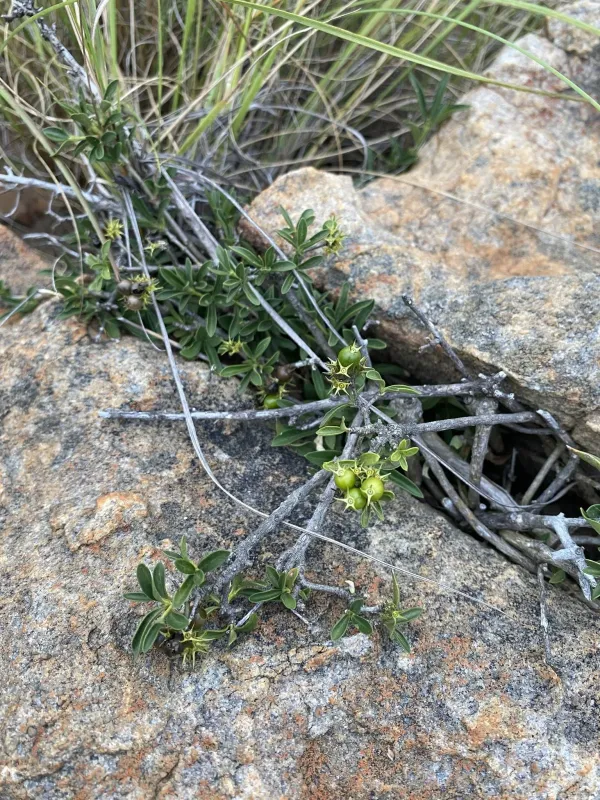
Description
Growing requirements
Pavetta gracilifolia belongs to the Rubiaceae family. This evergreen shrub originates from the tropical regions of Africa, where it naturally occurs in humid and warm environments.
The plant requires a stable tropical climate with temperatures between 22–28 °C. It is extremely sensitive to cold stress, making it unsuitable for regions with frost or significant temperature fluctuations.
Cultivation requires fertile, well-drained soil with a slightly acidic to neutral pH level. Proper drainage is crucial to prevent root rot, as the root system is highly susceptible to waterlogging.
It prefers bright, filtered sunlight rather than direct exposure. In its natural habitat, it thrives in the understory, so providing light shade is essential for maintaining leaf health and color.
A key biological characteristic of this species is the presence of specialized leaf nodules that host symbiotic bacteria. These bacteria assist the plant in nitrogen fixation, which is vital for its nutritional intake.
Main diseases and pests
Common pests associated with this crop include spider mites and mealybugs. These organisms thrive in low-humidity conditions and can quickly infest foliage if not managed properly.
Fungal infections, such as root rot, are often a result of poor irrigation management. Maintaining a consistent moisture balance is essential to prevent these pathogens from developing.
Leaf chlorosis is a common sign of nutrient deficiency or improper soil pH levels. Regular soil testing and fertilization are necessary to ensure the plant receives all essential micronutrients.
Effective pest management involves the use of targeted biological controls or appropriate insecticides to minimize impact on the plant's health and development.
Sanitation practices, such as removing infected leaves and ensuring adequate airflow, are critical components of maintaining a healthy and productive crop of Pavetta gracilifolia.