
Pavetta harborii
Pavetta harborii
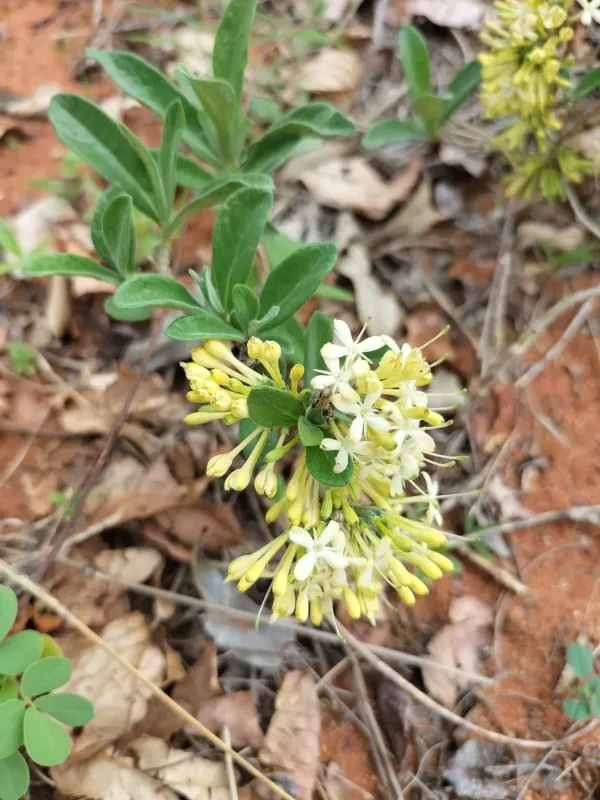
Description
Growing requirements
Pavetta harborii is a perennial evergreen shrub belonging to the diverse Rubiaceae family, native to specific tropical regions of Africa. This plant thrives in environments that provide consistent warmth and filtered light, characteristic of its natural woodland understory habitat.
Cultivation requires careful attention to soil composition, which should be nutrient-rich, well-draining, and slightly acidic. The plant is particularly sensitive to waterlogged conditions, making effective drainage a priority to prevent root asphyxiation during the growth season.
The climatic preferences of this species include a stable temperature range, avoiding both extreme cold and intense, scorching heat. In arid or high-temperature zones, providing adequate shade and supplemental humidity is essential to maintain the health of the foliage and ensure robust growth.
Regarding agrotechnical practices, the plant benefits from periodic organic fertilization, which supports its developmental phases and promotes overall structural integrity. Pruning should be handled with care to maintain its natural, aesthetic form while ensuring optimal light penetration throughout the canopy.
In terms of хозяйственное (economic) utility, Pavetta harborii is primarily utilized in ornamental horticulture. Its unique growth pattern and aesthetic appeal make it a popular choice for landscape architects designing exotic garden spaces or container arrangements in suitable climates.
Main diseases and pests
The primary threats to Pavetta harborii involve fungal pathogens, often exacerbated by high humidity and stagnant air circulation. Root rot is a significant concern in environments where soil moisture management is neglected or where drainage systems fail to operate effectively.
Insect pests, specifically scale insects and spider mites, represent a consistent risk to the plant's vitality, especially when maintained in indoor or greenhouse settings with low air moisture. Early detection remains the most effective strategy for managing these potential infestations.
Preventive care should emphasize maintaining cleanliness within the planting site and ensuring sufficient spacing between specimens. Proper spacing facilitates natural air movement, which significantly reduces the probability of mold or fungal spore colonization on leaves.
Nutritional stress can also leave the plant susceptible to secondary health issues, making regular and balanced fertilization a key component of a robust disease prevention plan. Over-fertilization, however, should be avoided as it can induce succulent growth prone to pest attacks.
Integrated pest management protocols, including the use of horticultural oils or biological controls, are recommended to preserve plant health while minimizing environmental impact. Regular monitoring and sanitary pruning are vital for the long-term success of the culture.