
Pavetta eylesia
Pavetta eylesia
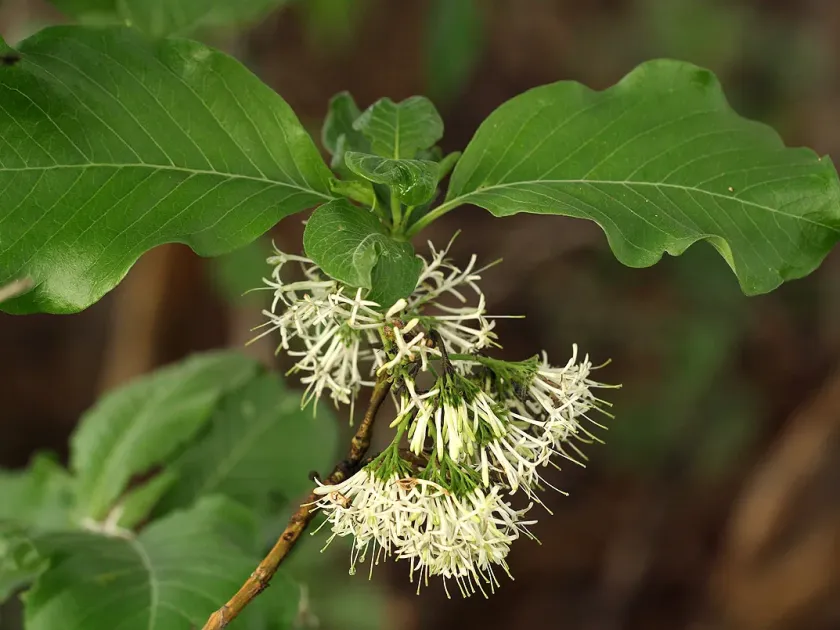
Description
Growing requirements
Pavetta eylesia is a distinctive evergreen shrub that is classified within the Rubiaceae family. This species is indigenous to the tropical regions of Africa, where it thrives in moist understory environments and along forest margins.
The plant is scientifically noted for the presence of bacterial nodules on its leaves. These symbiotic structures are a defining characteristic of the genus and play a significant role in the plant's nutrient uptake capabilities within its natural habitat.
To cultivate Pavetta eylesia successfully, it is essential to provide a well-drained, nutrient-rich soil mix. The species prefers a slightly acidic environment and requires consistent moisture without allowing the root zone to become waterlogged.
The ideal climatic conditions for this shrub involve warm temperatures ranging from 20°C to 28°C and protection from direct, intense sunlight. It thrives best in bright, indirect light, which mimics the filtered forest sunlight.
Economically and horticulturally, Pavetta eylesia is prized for its ornamental value. It is frequently grown in greenhouses, conservatories, and botanical collections due to its interesting foliage and attractive floral displays.
Main diseases and pests
The most common health issues for Pavetta eylesia arise from poor soil management. Root rot is a significant concern, typically caused by overwatering or the use of poorly draining substrates that lead to stagnant conditions.
Pest infestations, particularly by spider mites and mealybugs, are frequent in indoor environments with low humidity. These pests feed on the plant's sap, which can lead to stunted growth and yellowing of the foliage.
Scale insects can also attach themselves to the stems and leaves of the plant, drawing nutrients and creating sticky honeydew that fosters the growth of sooty mold. Regular monitoring is necessary to prevent these pests from overwhelming the plant.
Maintaining proper air circulation is a critical preventative measure against fungal outbreaks. Ensuring adequate spacing between plants and managing the humidity levels can significantly reduce the risk of mold and pathogen colonization.
Control strategies should focus on integrated pest management, utilizing biological agents or horticultural soaps where possible. Early intervention at the first sign of infestation is vital to preserving the plant's aesthetic and physiological health.