
Pavetta blanda
Pavetta blanda
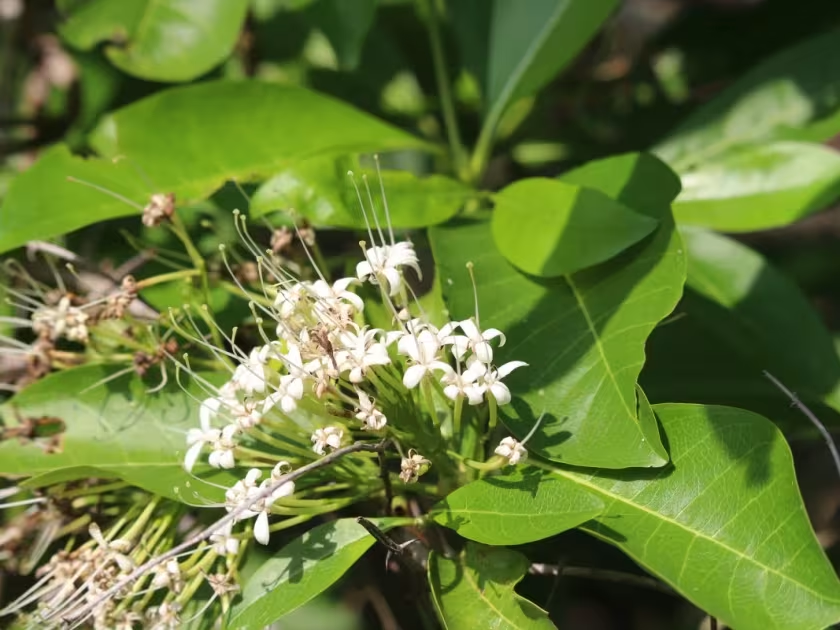
Description
Growing requirements
Pavetta blanda is an evergreen shrub belonging to the Rubiaceae family. This species originates from tropical regions, where it thrives in humid environments characterized by consistent warmth and sheltered forest conditions.
Successful cultivation of this crop requires strict adherence to temperature regimes, ideally between 22 and 28 degrees Celsius. As a tropical plant, it does not possess natural resistance to freezing temperatures or prolonged cold drafts.
The choice of soil is fundamental, necessitating a well-draining, nutrient-rich substrate. A slightly acidic pH balance is preferred, as it allows for optimal uptake of microelements necessary for healthy leaf development.
Light management is essential, as the plant requires bright but diffused sunlight to maintain its vigor. Direct exposure to intense mid-day sun can cause foliage dehydration and necrosis, especially in non-acclimatized young specimens.
Maintaining high air humidity is a crucial agrotechnical aspect, particularly when growing the plant in controlled environments. Frequent misting or the use of automated humidification systems helps simulate the native tropical forest climate.
Main diseases and pests
Root rot, caused by various species of fungi in poorly aerated or waterlogged soil, is the most common threat to this culture. Proper irrigation scheduling is the primary method to mitigate the risk of these soil-borne pathogens.
Pests such as spider mites and mealybugs frequently target the plant, particularly in dry or stagnant air conditions. These pests damage the foliage and can lead to significant reductions in the photosynthetic capacity of the plant.
Integrated pest management involves regular visual inspections of the foliage and the application of targeted biological or synthetic insecticides. Early intervention is key to preventing widespread infestations that may stress the shrub.
Excessive fertilizer application can lead to salt accumulation in the root zone, which increases vulnerability to opportunistic diseases. A balanced, dilute nutrient program is recommended throughout the active growing season.
Sanitation practices, including the removal of dead or decaying plant material from the surface of the growing medium, are vital. Keeping the cultivation area clean reduces the presence of spores and pest egg-laying sites.