
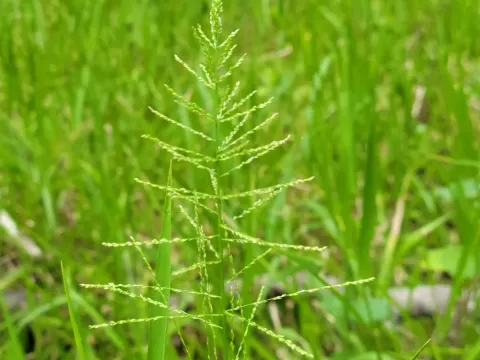
Panicum laxum
Panicum laxum Sw.
Panicum laxum Sw. is a perennial grass species belonging to the Poaceae family. It is recognized for its potential as a forage crop, particularly in tropical and subtropical regions where it exhibits significant biomass production and nutritional value for livestock.
What the section contains
Panicum laxum
Native to Central and South America, the plant is well-adapted to diverse habitats. It naturally occurs in moist areas, including stream banks and open grasslands, which informs its preference for well-hydrated soils during its growth cycle in agricultural settings.
Botanically, Panicum laxum is characterized by its lax panicle inflorescence and slender stems. The foliage is palatable and provides a good balance of digestible nutrients, making it a viable alternative for improving pasture quality in its native and introduced range.
Regarding soil requirements, the species thrives in loamy to clayey soils that maintain moisture. While it is relatively resilient, optimal development occurs in soils with a balanced pH level and sufficient organic matter, which supports its vigorous vegetative growth patterns.
Effective management involves controlled grazing or systematic harvesting schedules. As a C4 photosynthetic plant, it demonstrates efficient water use and rapid growth when temperatures are warm and sunlight exposure is plentiful throughout the active season.
The yield potential of Panicum laxum is highly dependent on nitrogen availability and moisture levels. Under intensive management, it can produce multiple harvests, providing consistent supply of fodder throughout the growing season.
Proper fertilization and timely harvesting at the pre-flowering stage are crucial to maximizing the nutritional quality of the forage. This ensures high crude protein content and improved digestibility for cattle and small ruminants.
The crop can be affected by common grass diseases such as leaf spots or smut, especially under conditions of high humidity and poor air circulation within the canopy. Maintenance of plant spacing is a key preventative strategy.
Pests such as grasshoppers and leaf-eating caterpillars may impact the canopy health. Integrated pest management practices, including mechanical control and selective use of biological agents, are recommended to protect the pasture.