
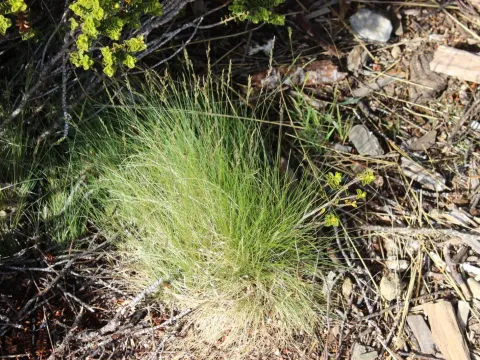
Micropyrum
Micropyrum
Micropyrum is a genus of annual grasses belonging to the family Poaceae. In agricultural settings, it is typically utilized as a component of grazing lands or managed pastures, contributing to the biodiversity of the forage canopy.
What the section contains

Micropyrum
The optimal sowing time for Micropyrum depends on the local climatic conditions, generally occurring in early spring. This allows the plant to establish its root system before the onset of the primary growing season and summer heat.
Seedbed preparation is critical because of the small size of the seeds. The soil should be finely tilled and leveled to ensure consistent seeding depth, which should ideally be between 1 and 2 centimeters to maximize germination rates.
Seeding can be performed using standard grain drills or broadcast methods followed by light harrowing. Proper seed spacing is essential to ensure that the plants have adequate room to tiller and produce dense biomass without excessive competition.
Post-sowing rolling is recommended to ensure good seed-to-soil contact. This practice is especially beneficial in drier conditions, as it helps conserve soil moisture and promotes uniform emergence across the entire field.
Micropyrum thrives in temperate climates with moderate rainfall. It shows a degree of adaptability to various environmental stressors, making it a potentially useful species for marginal lands where more sensitive grasses might struggle.
The plant prefers well-drained soils ranging from light loams to more rocky substrates. It is sensitive to waterlogging, as stagnant water in the root zone can quickly lead to physiological stress and reduced growth performance.
In terms of soil fertility, Micropyrum performs best in neutral to slightly acidic soil environments. While it can survive on lower fertility sites, the application of nitrogenous fertilizers during the vegetative stage significantly enhances biomass production.
Solar radiation plays a key role in the development of the species. It requires sufficient light intensity to maximize its photosynthetic potential and ensure the healthy development of its reproductive structures during the later stages of growth.
Strategic crop rotation is advised to maintain soil health. Avoiding consecutive planting of Micropyrum or other grasses on the same land helps reduce the pressure from soil-borne pathogens and minimizes the depletion of specific micronutrients.
Common fungal diseases such as rusts and powdery mildew can affect Micropyrum, particularly in humid or overcrowded conditions. These pathogens can significantly reduce the nutritional value of the foliage and stunt overall plant development.
Pest pressure is primarily driven by aphids and cereal flies, which feed on the sap of young stems. Such infestations are most damaging during the early vegetative stages and can necessitate corrective interventions if population thresholds are exceeded.
Integrated Pest Management (IPM) is the best approach to control these threats. This includes monitoring field conditions, ensuring proper crop density, and employing mechanical or chemical controls only when necessary to protect the forage quality.
Weed competition is a significant challenge for Micropyrum during the establishment phase. Keeping the field free of invasive grasses and broadleaf weeds during the first few weeks ensures that the crop has enough resources to dominate the area.
Maintaining a clean field environment also limits the habitat available for pests. Good sanitation practices, including the removal of infected plant debris after harvest, are essential steps in reducing the carry-over of pathogens into the next season.