
Blue panicgrass
Panicum antidotale Retz.
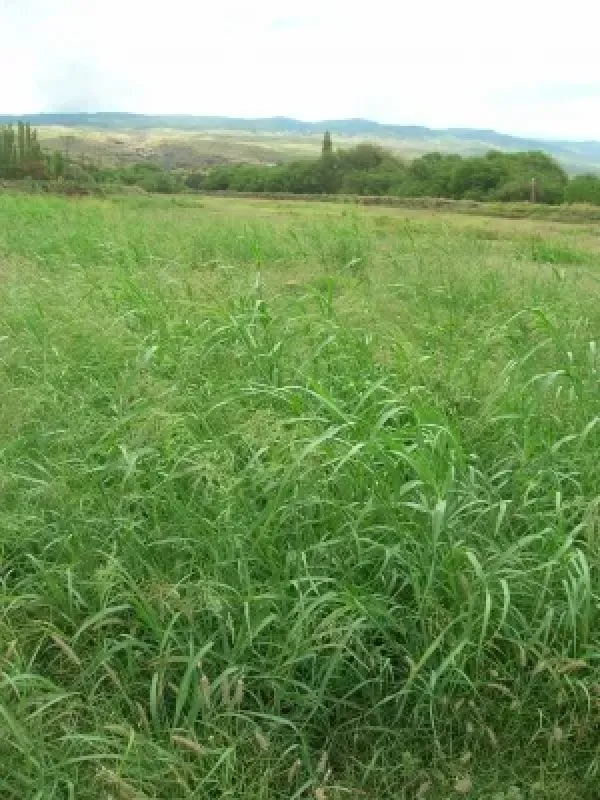
Description
Sowing dates
Blue panicgrass (Panicum antidotale Retz.) is a hardy perennial grass belonging to the Poaceae family. It is known for its robust rhizomatous root system, which contributes to its long-term survival in challenging environments.
The optimal sowing time occurs when soil temperatures consistently range between 15°C and 18°C. Proper seedbed preparation is essential to ensure shallow placement of the seeds, typically at a depth of 1–2 cm.
Since the seeds are quite small, achieving good soil-to-seed contact is crucial for successful germination. Pressing the soil after sowing can significantly enhance moisture uptake in arid planting conditions.
Seeding rates usually vary from 3 to 5 kg per hectare. Growers should aim for uniform distribution to avoid overcrowding, as established plants require sufficient space to expand their root network.
Early-stage seedling vigor is moderate, and protecting the young plants from weed competition is necessary during the first few weeks of development to ensure strong stand establishment.
Growing requirements
This species is native to regions with tropical and subtropical climates, making it exceptionally well-adapted to high-temperature conditions and prolonged dry spells.
Blue panicgrass thrives in various soil types, ranging from sandy and loamy to heavier clay soils. It exhibits a remarkable tolerance for slightly saline conditions, making it useful for land reclamation.
Ideal soil pH for this crop is between 6.0 and 8.0. While it can withstand brief periods of waterlogging, it performs significantly better in well-drained soils where oxygen availability to roots is maintained.
Temperature requirements for active growth are between 25°C and 35°C. The plant enters dormancy or slows growth significantly when temperatures drop below 10°C, and it is sensitive to heavy frost.
The deep and extensive root system allows the plant to extract moisture from deep soil layers, providing a major advantage in semi-arid and water-scarce regions.
Yield
Yield potential is highly dependent on water availability and fertility. Under irrigated conditions, the crop can produce 30–50 tonnes of green fodder per hectare per season.
In rain-fed or arid conditions, yields typically range from 10 to 15 tonnes per hectare. The crop remains productive during drought periods when many other forage species fail.
Nutritional value is optimized when harvested before the flowering stage. Protein content is highest during the vegetative phase, making it a valuable high-quality feed for ruminants.
Frequent harvesting or controlled grazing can promote rapid regrowth, allowing for multiple cuts within a single growing season if soil moisture is managed effectively.
Seed production is generally reliable, allowing farmers to maintain their own seed stock and expand planting areas without needing external supply sources.
Main diseases and pests
Panicum antidotale is naturally resistant to many common grain diseases. Fungal issues are rarely problematic unless the environment becomes excessively humid or waterlogged.
Insect pests such as aphids or moth larvae may occasionally affect the foliage, but they rarely reach levels that require chemical intervention under proper management.
Weeds pose the most significant threat during the initial establishment phase. Integrated weed management is recommended to prevent competition and ensure full field coverage.
Overgrazing is a major concern, as it can deplete the rhizome reserves and damage the crown of the plant, leading to a thinner stand and increased susceptibility to environmental stress.
Maintaining a balanced nitrogen status in the soil is beneficial for the plant's natural defense mechanisms against minor pathogens and ensures vigorous healthy growth.
Harvesting
Harvesting for hay should be timed for the late vegetative phase or early heading. This timing balances high yield with the necessary digestibility and protein content for livestock.
When intended for silage, the crop should be harvested at the onset of flowering. The plant material ensiles well and provides a stable, nutrient-dense winter feed source.
A cutting height of at least 10–12 cm is critical. Cutting too close to the ground can damage the plant's crown and reduce its ability to recover for the next harvest.
Seed harvesting should occur when the panicles reach a golden brown stage. Timing is essential as seeds may shatter and be lost if left on the stalk for too long.
Post-harvest processing involves cleaning the seeds of husks and chaff, followed by drying to ensure long-term viability and prevent mold during storage.