
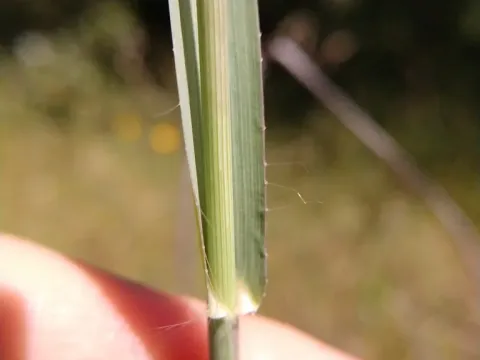
Coolah grass
Panicum coloratum L.
Sowing Coolah grass is typically performed in late spring once soil temperatures have reached a consistent level, usually around 15 degrees Celsius. This ensures the rapid germination of the small seeds, which require specific conditions for successful establishment in both dryland and irrigated settings.
What the section contains
Coolah grass
Seedbed preparation is critical, requiring a fine, firm, and weed-free surface. Given the small size of the seeds, they should be sown at a shallow depth of approximately 1 to 2 centimeters to ensure the seedlings can reach the surface without depleting their energy reserves prematurely.
Using a precision seed drill is highly recommended to achieve uniform spacing and proper seeding rates. The ideal seeding rate generally ranges from 4 to 8 kilograms per hectare, depending on the desired plant density and the quality of the seed batch being utilized for the pasture.
Post-sowing compaction with a roller is a standard agricultural practice that significantly improves moisture transfer from the soil to the seeds. This step is vital in areas prone to surface drying, helping to secure consistent germination even in fluctuating spring weather conditions.
Once established, Coolah grass develops a robust root system, but early protection from intensive grazing is necessary. Allowing the plants to fully anchor during their first season ensures the longevity of the stand, providing a permanent and reliable forage source for many subsequent years.
Coolah grass belongs to the Poaceae family and is recognized for its exceptional resilience in diverse environments. It thrives in warm climates and is particularly valued for its ability to maintain productivity during periods of prolonged drought, making it an ideal choice for arid regions.
One of the most notable features of this species is its high tolerance to waterlogged soils and temporary flooding. While many other forage grasses perish under these conditions, this plant thrives in low-lying areas, effectively utilizing land that would otherwise be unsuitable for agriculture.
Soil requirements include a preference for well-drained loams, although it adapts well to heavier clay soils. It shows high tolerance to varying pH levels, though performance is optimized in neutral to slightly acidic environments where nutrient availability is at its peak for vegetative growth.
Full sun exposure is necessary for this grass to reach its full potential. While it can handle occasional light shade, significant coverage from trees or other structures will reduce tiller density and overall biomass, limiting the yield potential of the pasture throughout the growing season.
Nutrient requirements should be met through strategic fertilizer applications, primarily focusing on nitrogen after each cut or grazing cycle. This stimulates rapid regrowth and helps maintain high protein levels, ensuring the grass remains a high-quality food source for livestock during summer.
The yield potential of Coolah grass is excellent under intensive management, offering high biomass production for both grazing and hay. In well-managed pastures, it can yield significant amounts of dry matter per hectare, supporting high stocking rates and reducing reliance on supplemental feeding.
Grazing management should focus on rotational practices to maintain the health of the stand. By allowing the grass to recover after each grazing event, farmers can ensure the plants remain in a vegetative state, providing high-quality forage that is rich in nutrients and easily digestible.
Hay production can be highly profitable if timed correctly. Harvesting at the late vegetative or early heading stage captures the best balance of fiber and crude protein, producing hay that is highly sought after for winter supplementation in livestock operations of all scales.
Seed production is another viable economic activity, provided that the timing of the harvest is precisely managed. With proper pollination conditions, a significant seed yield can be achieved, which provides both a commodity for sale and a sustainable source for farm self-sufficiency.
The long-term productivity of a Coolah grass pasture can last for many years with minimal maintenance. As long as soil nutrients are managed and the plant is not overgrazed during sensitive growth periods, the stand can remain highly productive and a stable asset for any agricultural business.
Pest pressures are generally manageable but require consistent surveillance during the early seedling stage. Grass-feeding insects and aphids are the most common threats, which can be mitigated through good field sanitation and the application of integrated pest management strategies when thresholds are met.
Fungal diseases, such as rusts, can become an issue in seasons with high humidity and stagnant air. Ensuring proper airflow through controlled stocking and maintaining proper row spacing in seed-production fields are essential preventative measures against these common foliage pathogens.
Smut can occasionally affect the seed heads, rendering the seed crop unusable for future planting. To protect the integrity of the harvest, farmers should always source certified, clean seed and apply preventative seed treatments before planting to ensure the field stays pathogen-free.
Root rot represents a risk if the soil becomes excessively saturated for extended periods, especially during cooler nights. Improving soil structure and drainage is the primary defense, as healthy, well-aerated roots are far more resistant to the development of fungal and bacterial rots.
Weed control during the establishment phase is vital. The grass can be slow to emerge, making it susceptible to competition from fast-growing weeds. Effective chemical or mechanical weeding during the first few months ensures that the stand can establish its dominance without resource limitation.
Harvesting for forage should be timed to maximize nutritional intake for the livestock. Using high-speed mowers that cut cleanly ensures that the stubble remains undamaged, which is essential for the rapid regrowth of the perennial plants after the primary harvest is concluded.
When producing hay, the grass should be raked into windrows and allowed to dry quickly to prevent nutrient loss. The use of hay tedders helps accelerate the drying process, ensuring that the final bale quality meets the standards for high-energy fodder required for optimal livestock performance.
For seed collection, the harvest must be planned carefully to account for uneven ripening. Cutting the crop when the majority of seeds are mature and allowing them to ripen in the windrow is a common technique to minimize seed loss due to the natural shedding typical of the species.
Post-harvest processing involves cleaning and drying the seeds to a moisture level suitable for safe long-term storage. Using a seed cleaner with the correct screen size ensures that impurities are removed, resulting in a clean and uniform sample ready for packaging and future distribution.
Storage facilities for both hay and seed should be climate-controlled, dry, and protected from vermin. Maintaining low moisture content and preventing pest entry are the keys to preserving the quality and viability of the harvest, ensuring the best return on investment for the agricultural producer.