
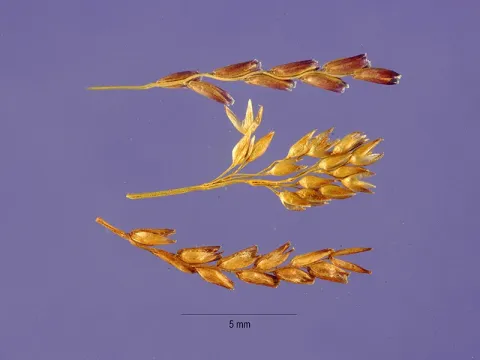
Mibora
Mibora
Mibora is an annual grass species that is typically sown in the spring season when soil temperatures are sufficiently warm for seed germination.
What the section contains

Mibora
Early spring planting allows the plants to establish a strong root system before the onset of summer heat and potential dry periods.
The seeds require surface sowing or very light soil coverage to ensure they receive the necessary light exposure for successful sprouting.
Proper spacing is crucial to prevent competition for resources, allowing the grass to maintain its characteristic compact and tidy appearance.
Mibora possesses an excellent ability to self-seed, which makes it a sustainable choice for ground cover in appropriate garden environments.
As a member of the Poaceae family, Mibora thrives in well-drained, sandy soils, reflecting its natural origins in coastal regions and open dunes.
The plant requires full sun to achieve its maximum ornamental potential and to maintain the tight growth habit it is known for in botany.
It demonstrates remarkable drought tolerance, making it suitable for xeriscaping or low-maintenance landscapes where water conservation is a priority.
Soil quality is not a primary concern, as Mibora is adapted to grow in nutrient-poor substrates, avoiding the need for heavy fertilization.
Excellent soil drainage is the most vital requirement, as this species will not tolerate waterlogged conditions or boggy areas that lead to root decay.
Mibora is generally robust, but like many grasses, it may be susceptible to root rot if the growing environment remains consistently too wet or humid.
In cases of overcrowding or poor air circulation, powdery mildew can occur, affecting the foliage and reducing the overall health of the planting.
Cereal flies and other small pests may occasionally target the stems, necessitating regular monitoring to ensure the plants remain in top condition.
Competition from more aggressive weed species is the main threat during the early seedling stage, making regular weeding an essential task.
Implementing basic preventative care, such as ensuring adequate spacing and selecting sunny, airy locations, is sufficient to manage most typical threats.