
Panicum sumatrense
Panicum sumatrense Roth
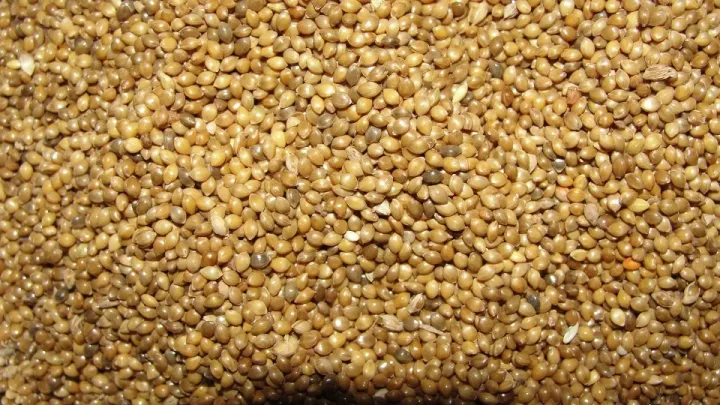
Description
Sowing dates
Panicum sumatrense, commonly known as little millet, is a warm-season crop that thrives in specific thermal conditions. The optimal sowing time coincides with the period when soil temperatures reach 15–20 degrees Celsius.
In its main cultivation regions, seeding is typically timed with the onset of the monsoon or rainy season. This timing ensures sufficient soil moisture for rapid germination and root establishment.
Seeding rates vary depending on the planting method: row planting generally requires less seed compared to broadcasting. Seeds should be planted at a depth of approximately 2 to 3 centimeters.
Due to its rapid early growth, the crop effectively outcompetes most weeds during the initial stages. Proper spacing between rows is recommended to ensure adequate airflow and minimize disease pressure.
Adhering to correct sowing dates is critical to protect young seedlings from late cold snaps or prolonged dry spells during the tillering phase.
Growing requirements
As a member of the Poaceae family, Panicum sumatrense is characterized by high environmental plasticity. It is known for its ability to grow on marginal and nutrient-poor soils where major cereals struggle.
The plant prefers sunny locations and is intolerant to shade. It exhibits remarkable drought tolerance, making it an ideal crop for regions with erratic rainfall patterns typical of tropical climates.
Soil preferences range from light sandy loams to heavier clay soils, with an ideal soil pH ranging from slightly acidic to neutral.
Panicum sumatrense requires a stable photoperiod for optimal development. Because it is highly heat-dependent, its cultivation is largely restricted to warm geographical zones.
While the crop can produce acceptable yields with minimal input, the addition of organic matter or modest fertilizers significantly improves overall biomass and grain productivity.
Yield
The yield of Panicum sumatrense fluctuates based on local environmental conditions and the level of management. Average yields typically range from 500 to 1200 kilograms per hectare.
Under intensive cultivation practices, which may include irrigation and nutrient management, yields can be improved significantly, sometimes reaching up to 2000 kilograms per hectare.
Plant density plays a vital role in determining final yields. Overcrowding can lead to a reduction in productive tillers and smaller, less dense panicles.
The yield stability of this millet is its primary advantage for farmers in arid regions. It serves as a reliable food security crop even during poor growing seasons.
Harvesting should occur only when the grains have reached full maturity and moisture content has decreased to a level suitable for long-term storage.
Main diseases and pests
Common pests affecting this crop include various species of lepidopteran larvae that feed on leaves during the vegetative stage. Pest pressure often intensifies during periods of high temperature.
Smut diseases are the most frequent fungal threats, often impacting the inflorescences and lowering the grain quality. Effective control measures include seed treatment with appropriate fungicides.
Root rots may occur if soils become waterlogged or if crop rotation practices are ignored. Improper irrigation techniques during panicle formation contribute to the proliferation of pathogens.
Bird damage is a significant concern as the crop reaches maturity. In some cases, localized losses to bird populations can be substantial, requiring the use of protective nets or monitoring.
Integrating resistant cultivars and maintaining regular field inspections are essential strategies for mitigating losses from both disease and insect infestations.
Harvesting
Harvesting Panicum sumatrense requires precision, as the panicles often ripen unevenly. The harvest phase is identified by the grains turning from green to a golden-brown color.
Harvesting is typically performed either by hand using sickles for small-scale farming or by mechanical combine harvesters in larger agricultural settings.
Once harvested, the grain heads are often sun-dried to ensure the moisture content is low enough for safe storage, preventing fungal spoilage and microbial growth.
Threshing is accomplished via traditional beating methods or specialized machinery. Post-threshing, the grain is cleaned of chaff, straw, and other physical impurities.
The final product should be stored in cool, dry, and well-ventilated areas to protect it from moisture, rodents, and storage pests.