
Switchgrass
Panicum virgatum L.
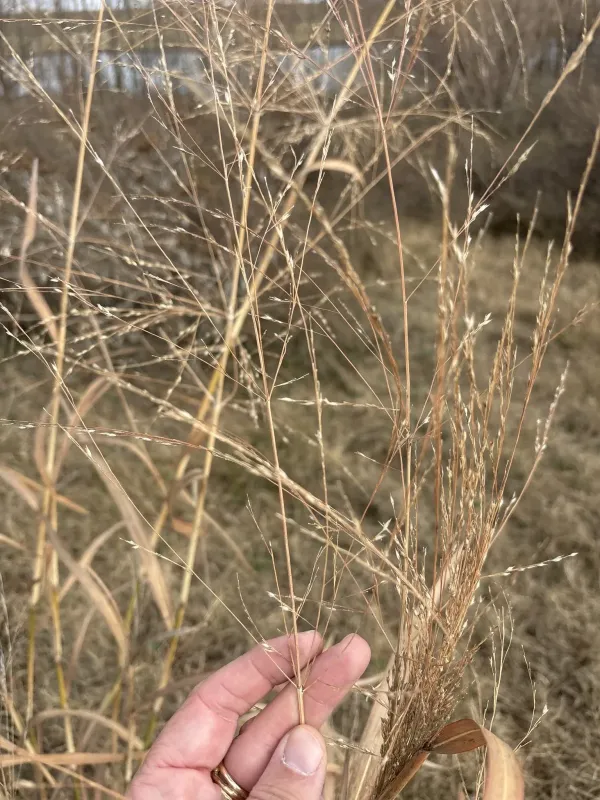
Description
Sowing dates
Switchgrass is a warm-season crop, requiring soil temperatures to reach at least +10...+12°C before planting. In temperate climates, the optimal sowing period is the second half of May, once the risk of late spring frosts has completely passed.
A well-prepared, fine-textured seedbed is essential to ensure maximum contact between the tiny seeds and the soil. Sowing depth should be shallow, generally not exceeding 1 to 2 centimeters for successful germination.
As a perennial species, switchgrass develops very slowly during its first year, focusing on root system establishment rather than above-ground biomass. Effective weed control during the seedling stage is critical, as the crop is highly sensitive to competition early on.
Seeding rates vary depending on seed quality and planting method, typically averaging 8–12 kg per hectare using conventional row drills. It is vital to select region-specific, adapted varieties to ensure the plant aligns with local photoperiodic requirements.
Selective herbicide application is a mandatory agronomic practice during the establishment year. Without proper control of invading weeds, the long-term productivity potential of the switchgrass stand can be compromised significantly.
Growing requirements
Belonging to the Poaceae family, switchgrass is a native prairie grass of North America. It displays remarkable tolerance to various soil types, ranging from sandy and low-nutrient soils to heavy, saline, or poorly drained conditions.
As a C4 plant, switchgrass possesses high photosynthetic efficiency under bright sunlight and high temperatures. It exhibits excellent drought resistance due to a robust root system that can penetrate depths of 2 to 3 meters, accessing water reserves unavailable to many other crops.
The optimal soil pH for switchgrass ranges between 5.0 and 7.5. Although considered a low-input crop, it responds positively to moderate nitrogen fertilization, which significantly boosts annual biomass yields compared to unfertilized stands.
The plant is highly cold-hardy during its winter dormancy, making it suitable for a wide range of latitudes. However, it is sensitive to day length; moving seed sources from southern to northern regions can lead to poor maturity and potential failure to set seed.
Water availability during the active spring growth phase is crucial for establishing the season's yield. Despite its resilience, excessive soil moisture during early spring can occasionally lead to stand thinning in heavy, poorly aerated soils.
Yield
The yield potential of switchgrass is heavily influenced by soil fertility and management intensity. Under favorable conditions, average dry matter yields range from 10 to 20 metric tons per hectare annually.
Maximum productivity is typically reached in the third year after establishment, once the rhizome system has fully colonized the soil profile. A healthy stand can maintain stable, high yields for 10 to 15 years without the need for reseeding.
Intensive management, including controlled irrigation and split nitrogen applications, can push biomass production to over 25 tons of dry matter per hectare. The resulting lignocellulosic material is highly valued for the bioenergy and biofuel industries.
Key factors limiting yields include insufficient heat units during the growing season and prolonged cloudy conditions. Cool, overcast summers can significantly suppress biomass accumulation, potentially reducing harvestable yields by over 30%.
Accurate yield assessments require weighing biomass at absolute dry matter content. Because moisture levels can fluctuate widely at harvest time, field measurements should be corrected to ensure consistent data and reliable energy potential estimates.
Main diseases and pests
Switchgrass is generally resistant to most common grain crop diseases; however, high humidity and stagnant air can lead to leaf rust infections. These fungal issues are more prevalent in overly dense, unmanaged stands.
Primary pests that may cause economic impact include various cereal flies and aphids that feed on the sap of young shoots. Stem-boring insects have also been observed causing localized damage during the period of rapid vegetative growth.
The most effective strategy against pathogens is robust agronomic management, including maintaining clean stands and managing crop residue appropriately. Prevention through healthy stand vigor remains the best form of protection.
In cases of severe localized outbreaks in young stands, systemic fungicides may be used, though this is rarely cost-effective for large-scale energy plantations. Chemical interventions should always be treated as a last resort in switchgrass cultivation.
Promoting biodiversity within and around switchgrass fields helps maintain populations of beneficial predatory insects. These natural enemies play a significant role in keeping pest populations below economic injury levels throughout the growing season.
Harvesting
Harvesting switchgrass is performed once or twice per season depending on the intended use. For energy production, the optimal time is late autumn, after the plant has reached maturity and undergone natural senescence.
A single-harvest approach is favored, waiting until moisture content drops to 15–20% after the first killing frosts. This natural drying process significantly reduces the energy and costs associated with artificial drying before biomass processing.
Standard forage harvesting equipment, such as disc mowers and balers, is used to collect the biomass. Modern machinery allows for the production of dense bales that are easy to transport and store in outdoor stacks without major degradation.
In two-harvest systems, the first cut is usually taken mid-summer at the early flowering stage. While this provides higher-quality material, a second cut may reduce root nutrient reserves, potentially weakening the stand for overwintering.
Regardless of the harvest frequency, a stubble height of at least 10–15 centimeters must be maintained. This ensures the plant stores sufficient nutrients in its rhizomes for winter survival, guaranteeing vigorous regrowth the following spring.