
Fall panicum
Panicum dichotomiflorum Michx.
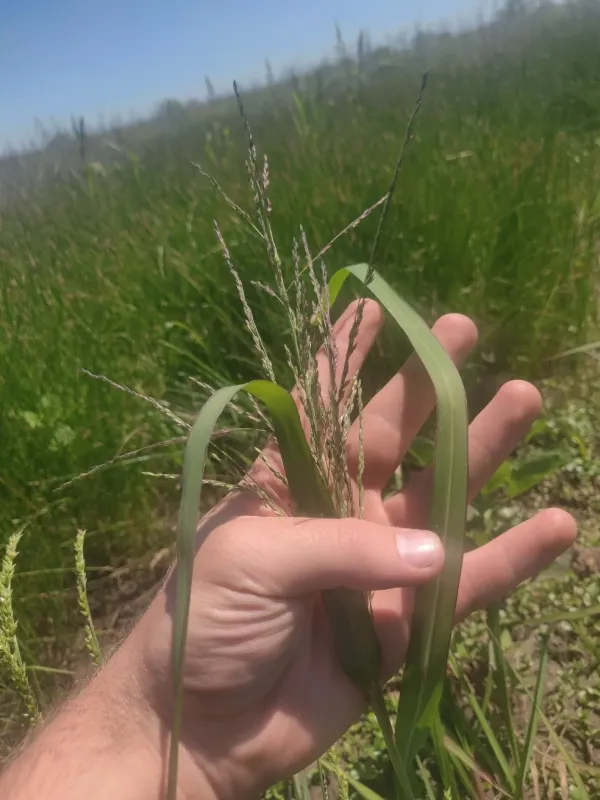
Description
Sowing dates
Fall panicum is an annual grass species that typically germinates when soil temperatures reach stable levels, usually in late spring or early summer.
The seeds of this plant exhibit high viability and can persist in the soil seed bank for several seasons, creating long-term management challenges.
Emergence is often staggered, meaning that multiple flushes of growth can occur throughout the cropping season following rainfall events.
Proper timing of pre-emergence and post-emergence herbicide applications is critical to managing this weed effectively in row crop production.
Farmers must monitor fields closely during the early growth stages of corn or soybeans, as this is when competition for resources is most intense.
Growing requirements
Belonging to the Poaceae family, this species is highly adaptable and thrives in a wide range of soil types, especially in moist and fertile environments.
It prefers sunny conditions and is particularly problematic in irrigated fields, riverbanks, and areas with high soil moisture retention.
The plant is heat-tolerant and can maintain robust growth during peak summer temperatures when other species might suffer from heat stress.
Soil fertility management, including precision application of nitrogen, can help reduce the competitive advantage of this weed over the primary crop.
Effective management also involves physical cultural practices such as timely cultivation and ensuring a dense, healthy crop canopy to shade out seedlings.
Main diseases and pests
The primary agricultural impact of fall panicum is the significant yield loss caused by its aggressive competition for water, sunlight, and nutrients.
As a host for various pathogens, the plant contributes to the survival and spread of several viruses and fungal diseases that affect cereal crops.
Insects often utilize fall panicum as an alternative food source, increasing the risk of pest infestations in adjacent high-value crop fields.
The high biomass production of this weed can lead to physical harvesting difficulties and increase the moisture content of the harvested crop product.
- Transmission of viral diseases
- Increased insect pest harborages
- Competition for nitrogen and moisture
- Interference with harvest machinery