

Reference · Crops
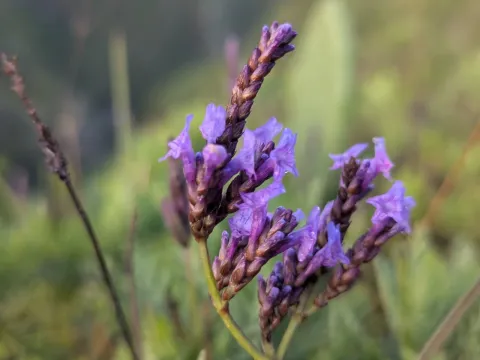
Lavender
Lavandula L.
Lavender (Lavandula L.) can be propagated through seeds, cuttings, or division. Seeds require a period of cold stratification to break dormancy, so sowing in early spring or late autumn is essential for successful germination.
19
items
What the section contains
 English lavender
Lavandula angustifolia Mill.
17 products
English lavender
Lavandula angustifolia Mill.
17 products
 Lavandin
Lavandula x intermedia Emeric ex Loisel.
3 products
Lavandin
Lavandula x intermedia Emeric ex Loisel.
3 products
 Broad-leaved lavender
Lavandula latifolia Medik.
Broad-leaved lavender
Lavandula latifolia Medik.
 Cadevall Lavender
Lavandula x cadevallii Sennen
Cadevall Lavender
Lavandula x cadevallii Sennen
 Chaytor Lavender
Lavandula xchaytoriae Upson & S. Andrews
Chaytor Lavender
Lavandula xchaytoriae Upson & S. Andrews
 English lavender
Lavandula angustifolia Mill. ssp. angustifolia
English lavender
Lavandula angustifolia Mill. ssp. angustifolia
 Fern-leaved lavender
Lavandula multifida L.
Fern-leaved lavender
Lavandula multifida L.
 French lavender
Lavandula pedunculata (Mill.) Cav.
French lavender
Lavandula pedunculata (Mill.) Cav.
 French lavender
Lavandula pedunculata (Mill.) Cav. subsp. lusitanica (Chaytor) Franco
French lavender
Lavandula pedunculata (Mill.) Cav. subsp. pedunculata
French lavender
Lavandula pedunculata (Mill.) Cav. subsp. lusitanica (Chaytor) Franco
French lavender
Lavandula pedunculata (Mill.) Cav. subsp. pedunculata
 French lavender
Lavandula stoechas L.
French lavender
Lavandula stoechas ssp luisieri
French lavender
Lavandula stoechas L.
French lavender
Lavandula stoechas ssp luisieri
 Fringed lavender
Lavandula dentata L.
Fringed lavender
Lavandula dentata L.
 Green lavender
Lavandula viridis
Green lavender
Lavandula viridis x stoechas ssp pedunculata
Green lavender
Lavandula viridis
Green lavender
Lavandula viridis x stoechas ssp pedunculata
 Lavandin
hybrids between Lavandula angustifolia Mill. and Lavandula multifida L.
Lavandin
hybrids between Lavandula angustifolia Mill. and Lavandula multifida L.
 Lavandula angustifolia
Lavandula spica Cav.
Lavandula angustifolia
Lavandula spica Cav.
 Pinnate lavender
Lavandula pinnata L.
Pinnate lavender
Lavandula pinnata L.
 Sweet lavender
Lavandula xheterophylla Viv.
Sweet lavender
Lavandula xheterophylla Viv.
Marketplace
Products in this section · 12


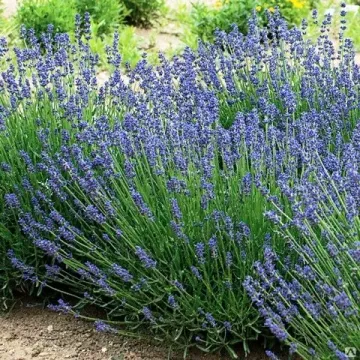


Lavender
When starting from seeds indoors, sow them in a light, sterile medium in late winter. Keep the trays in a cool place, around 5–10°C, to simulate natural winter conditions before moving them to warmer areas for sprouting.
Transplanting seedlings to the field is performed once the danger of frost has passed. Maintain spacing of approximately 50 cm between plants to ensure adequate airflow and reduce disease risk.
Cuttings are the preferred method for commercial cultivation to ensure genetic uniformity. Softwood cuttings are taken in mid-summer and rooted in well-drained sand-based mixes.
Established lavender bushes are long-lived and will continue to produce high-quality blooms for many years if proper maintenance and pruning cycles are strictly followed.
Lavender belongs to the Lamiaceae family and is native to Mediterranean regions. It thrives in full sun, requiring at least 6–8 hours of direct sunlight daily for optimal essential oil production.
The crop demands well-drained, slightly alkaline soil. Heavy clay soils that retain moisture are unsuitable and often lead to root rot; therefore, planting on raised beds or hills is a common practice.
Climate tolerance varies by species, but most prefer hot, dry summers and mild winters. In colder climates, selecting hardy cultivars like English lavender (Lavandula angustifolia) is crucial.
Watering should be managed carefully, especially in mature plants, as lavender is highly drought-tolerant once established. Excessive moisture around the root zone is the primary cause of plant failure.
Pruning is essential for maintaining the shape and health of the plant. Cut back about one-third of the growth after the flowering season to prevent the plants from becoming woody and sparse.
Commercial yields vary significantly based on variety and soil quality. On average, a well-managed hectare of lavender can produce several tons of fresh inflorescences per season.
The primary economic output is high-grade essential oil, which is extracted via steam distillation. The concentration and profile of the oil are highly dependent on the timing of the harvest.
The versatile applications of lavender include the cosmetic, fragrance, and pharmaceutical industries. Its properties as an anti-inflammatory and antiseptic agent are well-documented in medicinal applications.
Lavender is an excellent pollinator-friendly crop, supporting local bee populations and producing high-quality honey that is highly prized by consumers worldwide.
Production typically peaks between the third and seventh years. After this period, producers often renew the plantation to ensure the continued economic viability of the farm.
The most significant disease threat to lavender is grey mold (Botrytis cinerea), which thrives in humid conditions and poor air circulation. It targets blooms and stems, causing them to decay.
Fusarium wilt is another serious concern, especially in areas with poor drainage. Once established in the soil, these fungi are difficult to manage, requiring crop rotation or soil treatment.
Pests like the meadow spittlebug can affect growth by sucking plant sap, while various leaf-eating beetles may cause aesthetic and physiological damage to the foliage.
Integrated pest management (IPM) is encouraged to maintain crop safety, focusing on thinning plants to allow air movement and removing infested parts promptly.
Chemical control should be applied with extreme caution, particularly during the flowering stage, to avoid harming beneficial pollinators and essential honeybee colonies.
Harvesting timing is critical for essential oil production. The optimal moment is when approximately 50% of the flowers on the spike have opened, ensuring the highest oil concentration.
Large-scale operations use mechanical harvesters that trim the flower spikes while leaving the woody base of the plant intact for future regrowth.
Post-harvest, the inflorescences must be kept in cool, shaded areas. Rapid processing or drying is required to prevent the volatile essential oils from evaporating or degrading.
For dried flower bunches, the stems are hung upside down in a dark, airy location. This process retains the color and scent of the lavender for long-term storage and use.
The final seasonal task involves a light pruning to tidy the bushes, which prepares them for winter dormancy and ensures a healthy restart during the following spring.