
French lavender
Lavandula pedunculata (Mill.) Cav.
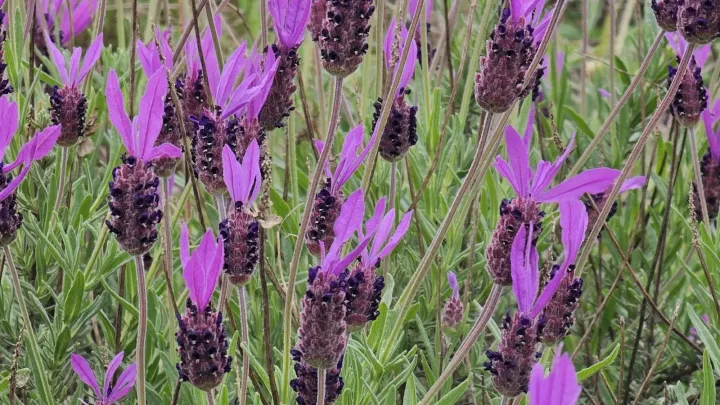
Description
Growing requirements
French lavender (Lavandula pedunculata), a member of the Lamiaceae family, is a distinct species native to the Mediterranean region. It is characterized by its unique flower spikes topped with vibrant, petal-like bracts, often referred to as "rabbit ears." This shrub is widely recognized for its high ornamental value and fragrant essential oils.
Regarding environmental requirements, the plant thrives in full sun and demands well-draining, gritty soil. It is highly sensitive to root rot, which is triggered by moisture retention in the root zone. Providing a location with excellent airflow and slope drainage is fundamental for the survival and longevity of the crop in industrial settings.
The climate preference for this species is Mediterranean; it requires mild, wet winters and warm, dry summers. While it can withstand occasional dry spells, it is not as hardy as English lavender (Lavandula angustifolia). Protecting the plant from harsh frost and cold, damp winds is essential for successful year-round cultivation.
From an agronomical perspective, this crop requires minimal fertilization. Excess nitrogen can encourage foliage growth at the expense of floral output and scent quality. Periodic pruning after the first flush of flowers is recommended to maintain the bush shape and encourage a second flowering period before the season ends.
The primary economic use involves the extraction of essential oils and the production of dried floral arrangements. The oil derived from L. pedunculata is prized in the fragrance and cosmetic industries for its unique chemical profile. Furthermore, the species is frequently utilized in xeriscaping due to its remarkable water efficiency.
Main diseases and pests
Disease management is centered on preventing fungal infections such as Phytophthora root rot and Botrytis cinerea. These pathogens are most active during periods of high humidity and poor ventilation. Maintaining adequate plant spacing is the most effective cultural practice to mitigate these risks.
Common pests include the Mediterranean lavender moth, various aphids, and whiteflies, which may feed on the tender flower spikes. Early detection and the application of integrated pest management (IPM) strategies, including the use of beneficial insects, are standard practices in commercial lavender fields.