
Cadevall Lavender
Lavandula x cadevallii Sennen
Description
Growing requirements
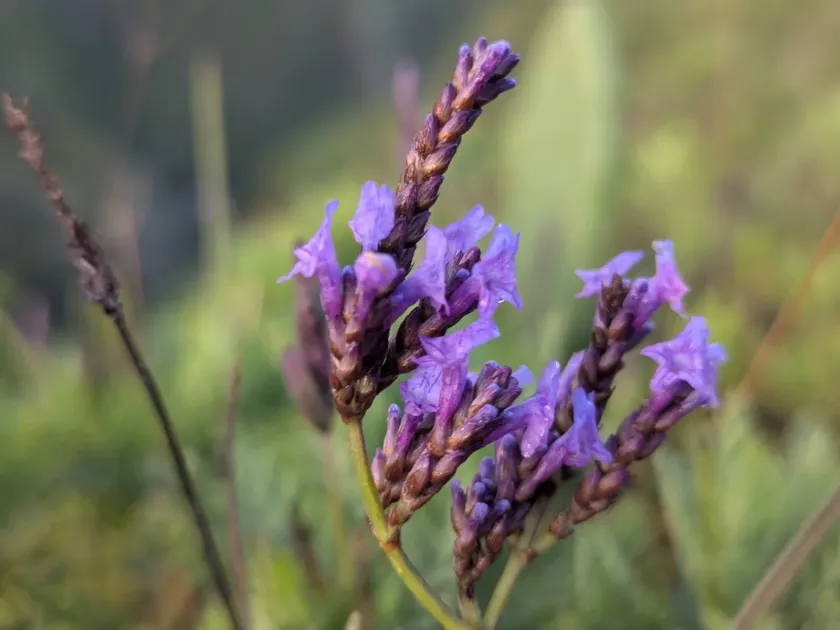
Cadevall Lavender (Lavandula x cadevallii) is a perennial hybrid shrub belonging to the Lamiaceae family. This plant is highly regarded for its aromatic properties and its ability to thrive in Mediterranean-style climates, making it a significant crop for essential oil production.
The plant originates from European Mediterranean regions and requires full sun exposure to flourish. It prefers well-drained, alkaline, or sandy soils that prevent water saturation. Proper drainage is the most critical factor for the longevity of the plant, as stagnant water causes root rot.
Agronomical practices involve regular pruning to maintain the plant's shape and stimulate dense flowering. Unlike many other crops, lavender is highly drought-tolerant once established, requiring minimal irrigation even in hot summer conditions.
Cadevall Lavender is utilized extensively in the perfume and cosmetic industries for its unique chemical profile. Additionally, it serves as an excellent ornamental plant for xeriscaping and provides essential resources for local pollinator populations.
Successful large-scale cultivation requires monitoring the soil pH and ensuring the plantation remains weed-free, especially during the first year of growth. Proper site selection remains the foundation of a productive lavender field.
Main diseases and pests
Fungal diseases remain the primary threat to lavender plantations, often triggered by excessive humidity or poor soil aeration. Botrytis blight and Phytophthora root rot are common pathogens that can devastate a crop if left unmanaged.
Insect pests, such as spittlebugs, aphids, and various lepidopteran larvae, can cause significant cosmetic and structural damage. Integrated Pest Management (IPM) strategies are recommended to mitigate these risks effectively.
Preventative care is essential: planting rows in the direction of prevailing winds improves air circulation and significantly reduces moisture levels around the foliage, thus curbing fungal growth.
Sanitation practices, such as removing dead plant material and disinfecting pruning tools between rows, are vital to preventing the spread of soil-borne pathogens across the plantation.
Chemical intervention should be treated as a last resort, prioritizing organic fungicides and biological control agents to maintain the purity of the end product, especially when the crop is intended for the essential oil industry.
Harvesting
Harvesting Cadevall Lavender is timed with the peak of the flowering cycle, typically when approximately 50% of the flowers on the spike are open. This timing ensures the highest yield and quality of the aromatic essential oil.
Manual or mechanical harvesting techniques are used, with care taken to cut the stems cleanly to encourage vigorous regrowth for the following season. Harvest should ideally take place in the morning after the dew has evaporated.
Post-harvest management is critical; the harvested material must be moved to a drying facility immediately to avoid the degradation of volatile compounds due to heat exposure or enzymatic activity.
Drying occurs in shaded, well-ventilated areas where temperatures are kept below 35 degrees Celsius. Controlled drying conditions preserve the color and the chemical integrity of the lavender spikes.
Once dried, the crop is processed via steam distillation to extract essential oils. Maintaining high standards during the harvest and processing phases directly impacts the commercial value of the resulting oil.