
Chaytor Lavender
Lavandula xchaytoriae Upson & S. Andrews
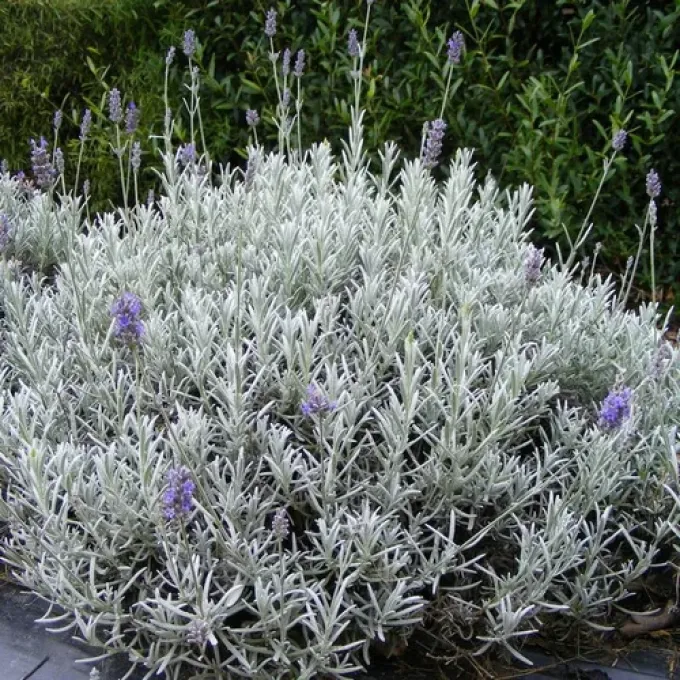
Description
Sowing dates
Chaytor lavender is a hybrid plant and must be propagated vegetatively to ensure the offspring retain the desirable characteristics of the parent variety.
Propagation is typically performed via semi-hardwood cuttings taken during the late summer, which allows for root establishment before the winter dormant season.
Planting in the field should be planned for the spring season, once the risk of severe frost has passed and the soil begins to warm up significantly.
A spacing of 1.5 meters between rows is recommended to allow for adequate ventilation between the rows and to facilitate the movement of harvesting machinery.
The chosen site should receive full sunlight for the majority of the day to ensure optimal growth and high concentration of essential oils in the flowers.
Growing requirements
This variety thrives in well-draining, sandy-loam soils with a neutral or slightly alkaline pH; it is highly intolerant to poorly drained or acidic soils.
Once established, the plants are remarkably drought-tolerant, although regular irrigation is necessary during the initial stages of field development.
Chaytor lavender requires a sunny, open environment with good air movement to prevent the build-up of moisture, which can lead to various fungal pathogens.
The soil should be aerated and free from long-term waterlogging, which is the primary cause of plant death in many lavender cultivation projects.
Fertilizer application should be cautious; high nitrogen levels promote excessive leaf growth at the expense of flower production and oil quality.
Yield
The economic value of this crop is derived from the high-quality essential oil extracted from the inflorescences during the peak of the flowering season.
Optimal yield potential is typically achieved from the third year onward, provided the plants have received regular pruning and appropriate care.
Yields can vary significantly based on environmental conditions, soil health, and the specific management practices employed throughout the growing season.
Regular rejuvenation pruning is essential to maintain high flower yield and to extend the productive lifespan of the lavender plantation.
Advanced distillation techniques are recommended to maximize the extraction of volatile components from the harvested raw material.
Main diseases and pests
The most significant threats to the crop include root rot and other fungal diseases, often caused by excessive soil moisture and insufficient drainage.
Pests such as aphids or leafhoppers may occasionally cause damage, but these are generally manageable through integrated pest management strategies.
To maintain plant health, it is crucial to avoid overhead irrigation and ensure the foliage is dry, particularly during humid and overcast weather periods.
Proper field hygiene, including the removal of dead or diseased wood, is a vital step in preventing the spread of infections across the plantation.
Monitoring the fields regularly during periods of high humidity helps in the early detection and management of potential disease outbreaks.
Harvesting
Harvesting should occur when approximately half of the florets are open, as this corresponds to the peak concentration of essential oils in the plant.
The cutting height should be precise to remove the flowering stems without damaging the woody base of the plant, ensuring rapid regrowth for next year.
Efficiency in harvesting is crucial; the material should be processed or dried immediately to prevent the degradation of aromatic compounds by heat or moisture.
Specialized harvesting equipment designed for lavender ensures a clean cut and minimizes the contamination of the inflorescences with leaves or stems.
Proper post-harvest handling includes storing the dried product in a cool, dark, and well-ventilated environment to preserve its quality and fragrance.