
Sweet lavender
Lavandula xheterophylla Viv.
Description
Growing requirements
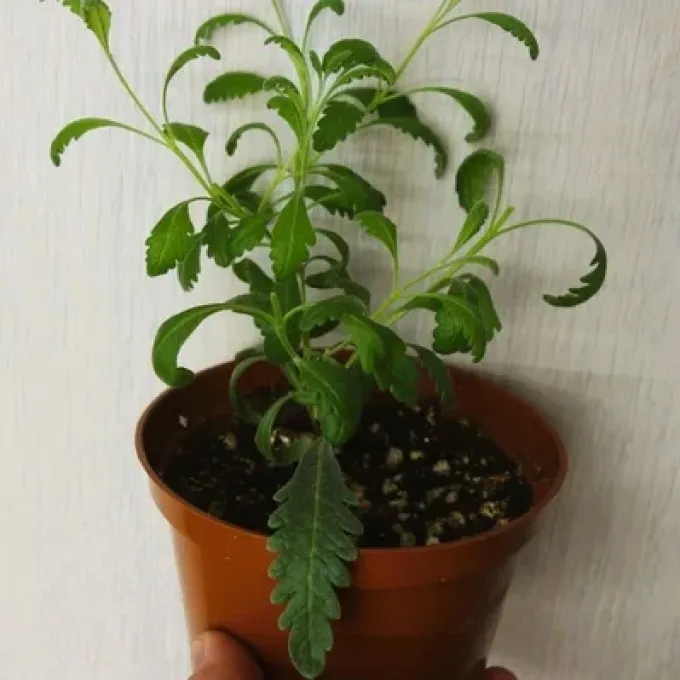
Sweet lavender (Lavandula xheterophylla) is a vigorous hybrid shrub belonging to the Lamiaceae family. It is known for its distinct foliage and ability to bloom over a prolonged period.
This species thrives in well-draining, sandy, or rocky soil. Good aeration is essential, as the roots are prone to rot if kept in saturated conditions for extended periods.
Full sun is a prerequisite for optimal growth. Exposure to at least six to eight hours of direct sunlight daily is necessary to maintain compact plant structure.
In terms of climate, it performs best in Mediterranean-like conditions. It is moderately hardy but requires protection from severe frost and icy winds in cooler zones.
Agrotechnical management includes regular pruning after the first flush of flowers. This practice encourages secondary branching and keeps the plant from becoming woody.
Main diseases and pests
Gray mold (Botrytis cinerea) is a common fungal threat under high humidity. Proper spacing between plants is crucial to ensure adequate air circulation.
Root rot is the most devastating physiological issue caused by poor drainage. Preventing water stagnation is the only effective defense against this problem.
Spittlebugs often infest young lavender stems, creating masses of foam. While usually a cosmetic issue, heavy infestations can weaken the plant's vigor.
Aphids can colonize new growth and flower spikes during warm, dry weather. Biological control methods, such as introducing predatory insects, are highly recommended.
Caterpillars can cause significant foliage damage if left unchecked. Regular manual inspection is advised, especially during the peak of the growing season.