
Pinnate lavender
Lavandula pinnata L.
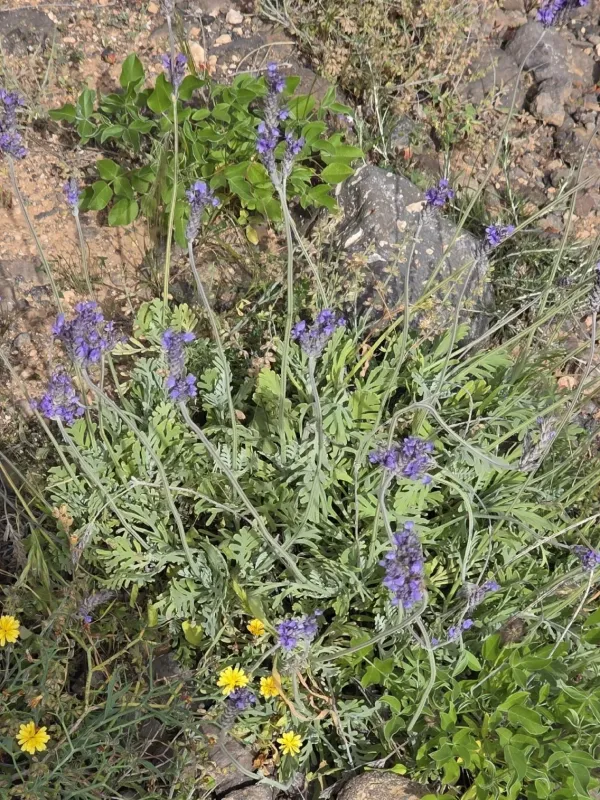
Description
Sowing dates
Propagation of Lavandula pinnata is typically initiated through seeds sown in late winter or early spring in a controlled greenhouse environment.
Seeds of this species exhibit a period of dormancy, necessitating a cold stratification process to improve germination rates before planting in a porous soil mix.
The planting medium should be light and well-draining, such as a mix of peat and sand, ensuring that the seeds are barely covered to allow light penetration.
Temperature control is crucial, with an ideal range of 18 to 22 degrees Celsius required for the consistent development of seedlings during the early stages.
Once seedlings have reached a manageable size and have developed several true leaves, they should be hardened off before being transplanted into their permanent outdoor location.
Growing requirements
Pinnate lavender belongs to the Lamiaceae family and is recognized for its unique, deeply divided foliage which distinguishes it from many other lavender varieties.
This crop thrives in full sun and requires exceptionally well-drained, nutrient-poor soil to prevent root rot and ensure the longevity of the perennial shrub.
It is native to regions with mild climates and is not fully hardy, making it sensitive to severe frost and damp winter conditions which can be lethal to the plant.
Agricultural management includes precise irrigation practices, focusing on keeping the root zone dry while ensuring the plant receives adequate light and ventilation.
Maintenance involves seasonal pruning, which helps maintain a neat shape and stimulates vigorous new growth, ultimately leading to a more profuse flowering period.
Main diseases and pests
Root rot is the most significant pathological threat to this crop, predominantly triggered by excessive rainfall or poor soil structure that retains moisture.
Fungal infections such as Botrytis can affect the foliage during periods of high humidity, particularly when plants are grown in overcrowded or poorly ventilated spaces.
Pests like spider mites and aphids may occasionally infest the delicate new growth, requiring careful monitoring to prevent large-scale damage to the aromatic shrub.
Integrated pest management strategies should be employed, prioritizing cultural methods like proper spacing and irrigation control before resorting to chemical interventions.
Removing damaged or dead plant material is an essential practice to maintain plant hygiene and reduce the risk of secondary infections within the lavender plantation.