
French lavender
Lavandula stoechas L.
Description
Growing requirements
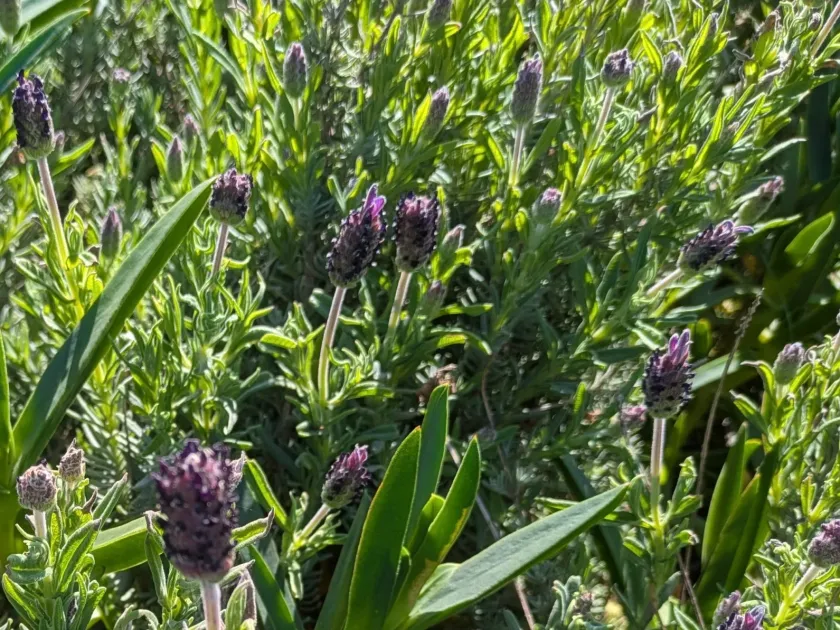
French lavender (Lavandula stoechas L.) is a perennial evergreen shrub belonging to the Lamiaceae family. It is distinct for its unique flower heads topped with colorful, wing-like bracts, often referred to as "rabbit ears," which provide significant ornamental value.
The plant originates from the Mediterranean basin and thrives in warm, dry climates. Unlike other lavender species, L. stoechas is less cold-hardy, meaning it requires protection or greenhouse cultivation in regions where winter temperatures fall below freezing for extended periods.
Proper soil management is critical, as this species strictly requires well-drained, sandy, or gravelly soils. It is highly intolerant of waterlogged conditions, which lead to root rot; therefore, planting on raised beds or slopes is often recommended in high-rainfall areas.
As a sun-loving plant, French lavender requires full exposure to direct sunlight to ensure vigorous growth and the production of fragrant essential oils. Insufficient light leads to weak, spindly stems and reduced flowering intensity.
Cultivation practices involve regular pruning immediately after the first flush of flowers. This practice prevents the plant from becoming woody at the base and encourages a denser, more compact structure, which improves overall plant longevity and bloom density.
Main diseases and pests
Root rot and crown rot are the primary threats caused by fungal pathogens when the soil stays too moist. These diseases are most common during cool, damp spring weather, often originating from improper irrigation or inadequate site drainage.
Pests such as aphids and spittlebugs can colonize the soft tissue of the spikes during the active growing season. While infestations are usually minor, they can weaken the plant and reduce the visual quality of the flowers in ornamental production.
Integrated pest management focuses on maintaining plant vigor and proper spacing to ensure optimal airflow. Increased air circulation around the canopy is essential to prevent the buildup of moisture that promotes fungal disease outbreaks.
Weed control is also vital, especially during the establishment phase, as the lavender competes poorly with vigorous weeds for sunlight and nutrients. Mechanical cultivation should be shallow to avoid damaging the shallow root system.
In cases of significant infestation or disease, targeted treatments should be applied, but they must be timed carefully to avoid contact with pollinators, as the plant is a highly attractive resource for bees and butterflies.