
Fern-leaved lavender
Lavandula multifida L.
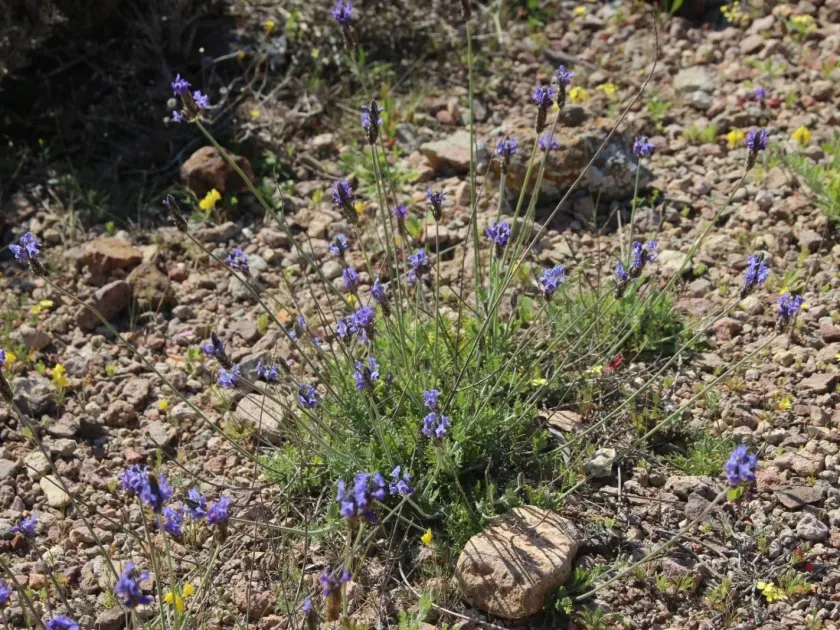
Description
Sowing dates
Seeds of Lavandula multifida require a stratification period of approximately four to six weeks at low temperatures to break dormancy and ensure uniform germination. Sowing is typically performed in late winter in trays, using a sterile, well-draining seed starting mix.
Light is essential for the germination of fern-leaved lavender seeds; therefore, they should be sown on the surface and barely covered with a fine layer of vermiculite or sand. Maintaining a consistent temperature between 20 and 22 degrees Celsius is crucial during the early stages.
Seedlings are susceptible to damping-off disease if the substrate remains too wet or if airflow is insufficient. Proper ventilation is vital once the primary leaves begin to emerge to create a dry microclimate around the tender stems.
Pricking out the young plants into individual pots allows for the development of a robust root system before transplanting. This step is necessary to minimize transplant shock and encourage vigorous early growth in the nursery environment.
Transplanting into the field should occur after the danger of frost has passed. Plants are usually spaced 40 to 50 centimeters apart, ensuring enough room for mature development and proper air circulation between individual specimens.
Growing requirements
Lavandula multifida, belonging to the Lamiaceae family, is a perennial subshrub characterized by its deeply dissected, fern-like leaves and strong, resinous aroma. It thrives in Mediterranean-type climates with mild, wet winters and hot, dry summers.
The plant demands full solar exposure, needing at least six to eight hours of direct sunlight daily to maintain its vigor and oil concentration. Reduced light levels lead to poor branching, weak stems, and increased susceptibility to fungal pathogens.
Soil requirements are strict regarding drainage; the plant fails in heavy, waterlogged soils. A loose, sandy, or rocky soil structure with a pH ranging from neutral to slightly alkaline is optimal for supporting the plant's natural habitat needs.
Irrigation must be managed carefully, as the species is highly adapted to drought. Overwatering is the most common cause of crop failure, necessitating a "dry-between-waterings" approach to prevent crown rot and root asphyxiation.
Maintenance involves pruning the foliage after the flowering season to prevent the plants from becoming woody and untidy. This practice rejuvenates the shrub, encourages secondary blooms, and maintains a clean, uniform plantation structure.
Main diseases and pests
Grey mould (Botrytis cinerea) poses a significant risk during periods of high humidity and poor ventilation. The fungus manifests as fuzzy grey spots on the foliage, eventually causing plant collapse if not treated immediately with fungicides.
Root rot pathogens such as Phytophthora are common in fields with suboptimal drainage. The infection symptoms typically include the yellowing of foliage and progressive wilting, even when the soil moisture levels appear appropriate.
Insect pests include the froghopper (spittlebug), which causes damage by sucking plant sap and creating noticeable foam structures on stems. Severe infestations can weaken the plant and serve as a vector for various viral infections.
Weed management is critical in the early stages of establishment, as young lavender plants compete poorly with aggressive weeds for sunlight and nutrients. Mechanical cultivation between rows is preferred over herbicides to ensure crop safety.
Integrated Pest Management (IPM) strategies, including biological controls and regular field monitoring, are essential for maintaining a healthy and productive crop. Prompt removal of infected plant debris is the most effective cultural control method.
Harvesting
Harvesting fern-leaved lavender is a labor-intensive process that should be timed with the peak of flowering. Essential oil quality and quantity are highest when the flowers are in full bloom, but before they start to wither.
The stems are cut using sharp, sanitized harvesting tools to minimize tissue damage, which helps in the quick healing of the plant and prevents opportunistic infections. Only the upper flowering portion of the stem should be removed.
For essential oil production, the harvested material must be processed immediately or dried under controlled conditions. High temperatures during drying should be avoided to prevent the volatilization of valuable aromatic compounds.
Post-harvest handling involves drying in shade with constant airflow to preserve the characteristic scent and chemical profile. Proper storage in cool, dark environments ensures the longevity of the extracted oil or dried floral material.
Annual yields fluctuate based on climatic conditions and plant age. Mature plantations typically show consistent productivity for three to five years before requiring replacement to maintain high-quality crop standards.