
Green lavender
Lavandula viridis x stoechas ssp pedunculata
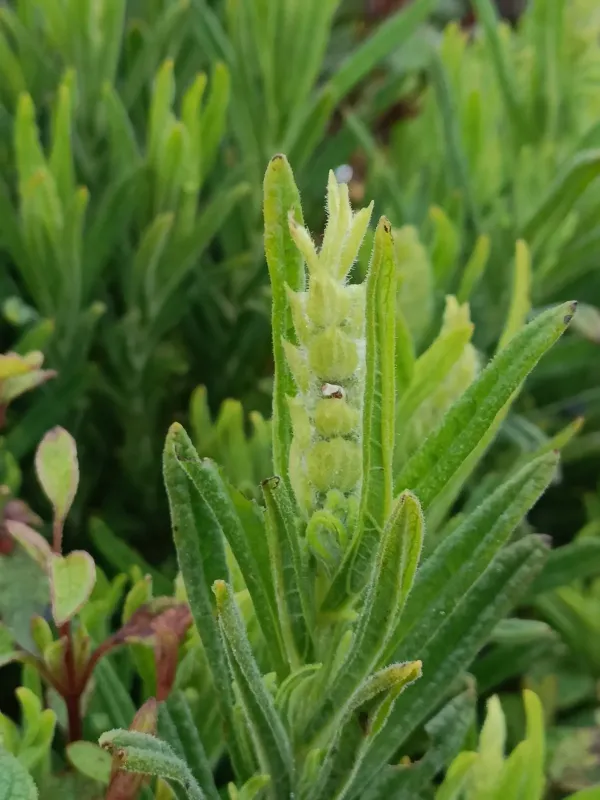
Description
Growing requirements
Green lavender (Lavandula viridis) is a unique member of the Lamiaceae family, primarily native to the islands of Madeira and specific regions of Portugal. Unlike common lavender species, this plant is recognized for its vibrant green bracts and distinct, refreshing citrus-like fragrance.
The plant thrives in Mediterranean-type climates, necessitating full sun exposure and well-drained, slightly alkaline soil. Heavy, clay-based soils that retain moisture are unsuitable as they quickly lead to root rot and physiological stress during the dormant winter months.
Cultivation practices must prioritize thermal protection, as the species is not frost-hardy. In commercial agriculture, it is often treated as a short-lived perennial or a container crop in temperate regions to protect it from extreme winter cold and excessive rainfall.
Agrotechnical management involves regular pruning immediately after the flowering stage, which ensures the plant retains a dense, woody structure. This practice is essential to prevent the stems from becoming sparse and to stimulate new, aromatic growth for the following season.
Watering requirements are relatively low once the plant is established. Providing drought-stress intervals promotes a higher concentration of essential oils in the foliage, which is a critical factor for producers focused on botanical extractions and the fragrance industry.
Main diseases and pests
Pathogen threats in green lavender are closely tied to moisture management. Fungal infections, including Phytophthora and various types of root rot, are the most common causes of plant failure when irrigation exceeds the plant's ability to transpire.
Insect pests such as leaf beetles and aphids can significantly diminish the aesthetic and commercial value of the crop. Sustainable pest management programs using natural predators or organic sprays are recommended to avoid damaging the delicate chemical profile of the oils.
Poor ventilation within the canopy is a frequent cause of fungal outbreaks. Maintaining sufficient plant spacing ensures adequate airflow, which is a primary defensive mechanism against the development of grey mold (Botrytis) during periods of high humidity.
Soil-borne nematodes represent a hidden threat in some cultivation areas, requiring careful site selection and soil preparation. Ensuring a sterile growing medium for nursery stocks is a critical step in preventing the introduction of these parasites to the field.
The overall resilience of the crop depends on maintaining appropriate nutritional balance, avoiding excessive nitrogen fertilization that promotes lush, succulent growth susceptible to aphid infestations. Balanced fertilization with phosphorus and potassium supports stronger cell wall development.