
Korthalsia polystachya
Korthalsia polystachya
Description
Growing requirements
Korthalsia polystachya is a member of the Arecaceae family, commonly recognized as one of the essential rattan palm species. Native to the humid tropical forests of Southeast Asia, this climbing palm has evolved to thrive in dense, competitive vegetation environments.
The plant requires a strictly tropical climate with consistent temperatures between 25°C and 30°C and high ambient humidity. It does not tolerate frost or prolonged drought, as these conditions rapidly inhibit stem elongation and overall biomass production.
Soil requirements involve deep, fertile, and well-drained substrates rich in organic matter. While the palm is quite resilient, it performs best in alluvial soils where moisture is constantly available but waterlogging is avoided to prevent root rot diseases.
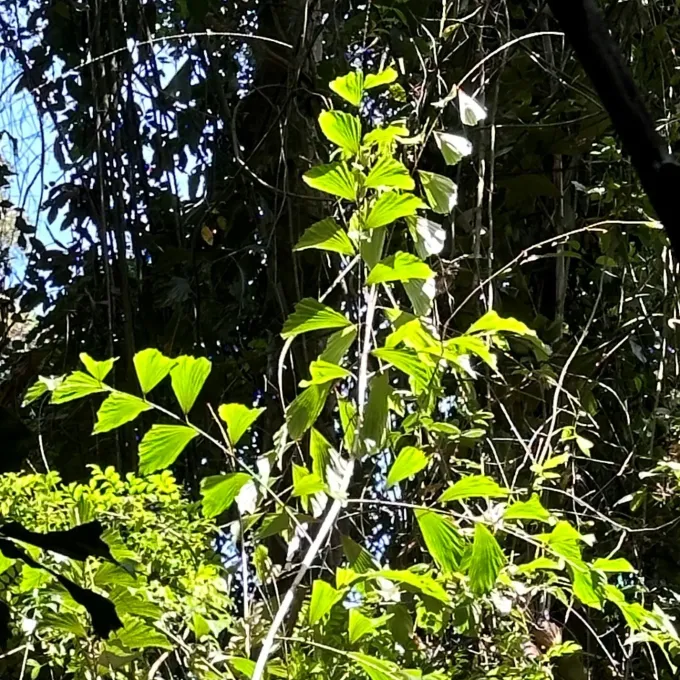
Botanically, it is characterized by its long, flexible, and robust stems equipped with hooked spines. These stems act as climbing organs, allowing the plant to reach the forest canopy, where it secures sufficient light for photosynthetically active growth.
Cultivation practices involve selecting suitable sites with adequate tree cover to act as natural supports. Propagation is primarily achieved through seeds, which must be sown fresh to ensure high viability rates, often requiring greenhouse conditions during the initial germination phase.
Harvesting
The harvesting of Korthalsia polystachya is a labor-intensive process that involves the selective cutting of mature stems. Workers must navigate the forest canopy or plantation rows to extract stems that have reached the desired diameter and strength for industrial usage.
Post-harvest treatment is crucial for product quality. Stems are stripped of their outer spiny sheaths, cleaned, and often subjected to steaming or oil treatment. This process removes natural waxes and pathogens, ensuring the rattan is durable and resistant to decay.
The main commercial application is the production of high-end furniture, wickerwork, and woven handicrafts. Its superior flexibility and tensile strength make it a preferred material for complex designs and structural frameworks in interior decor.
Sustainable plantation management has become increasingly important for this species. By implementing regulated harvesting cycles, growers ensure the longevity of the plant and maintain the density of the rattan stands, reducing the pressure on natural wild populations.
Beyond furniture, the industry explores further uses for the plant, including the production of high-quality binding materials and specialty agricultural supports. This versatility contributes to the economic significance of Korthalsia polystachya in local and international markets.