
Lavandin
hybrids between Lavandula angustifolia Mill. and Lavandula multifida L.
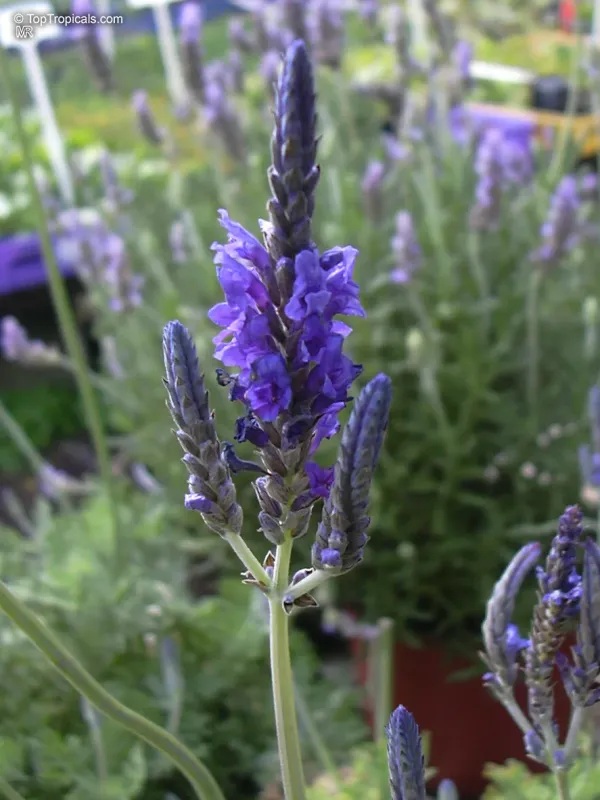
Description
Sowing dates
Lavandin, a hybrid resulting from the cross between Lavandula angustifolia and Lavandula multifida, is propagated exclusively through vegetative methods. Cuttings are essential to preserve the hybrid's specific traits, which do not come true from seed.
Planting is best performed in early spring once the ground has warmed, or in early autumn to allow for root establishment before the onset of winter frost. Proper timing is vital for the survival of young, fragile transplants.
In commercial operations, plants are spaced with wide row distances, typically around 1.5 meters. This spacing facilitates mechanical cultivation and allows for the use of large harvesting equipment to improve field efficiency.
High-quality seedlings from certified nurseries are recommended to ensure a uniform crop. Young plants require light, well-draining substrates during their initial development phase to prevent root damage.
Effective weed control is critical during the first two years of the field's life. Maintaining clean rows helps the young Lavandin plants establish a robust root system without competing for resources.
Growing requirements
Lavandin is highly sun-dependent and thrives best in full, direct sunlight. Shade or insufficient light significantly reduces both flower yield and the concentration of essential oils in the aromatic glands.
The crop requires light, aerated soils with a neutral or slightly alkaline pH. Excellent drainage is non-negotiable, as waterlogged conditions quickly trigger root rot and cause widespread plantation failure.
This hybrid is generally more hardy and heat-tolerant than its parents. However, it still benefits from protection against cold, harsh winter winds. Mild temperatures during the blooming stage are optimal for oil quality.
Fertilization should be managed carefully, with a focus on phosphorus and potassium to boost plant resilience and flowering intensity. Nitrogen should be used sparingly to avoid excessive vegetative growth at the expense of oil production.
Regular pruning is a cornerstone of Lavandin maintenance. Trimming the bushes after harvest helps maintain a compact, healthy structure and prevents the plant from becoming woody and unproductive over time.
Yield
Lavandin is prized for its high yield of essential oil, which significantly surpasses that of pure Lavandula angustifolia. The crop reaches its peak productivity between the fourth and eighth years of life.
The total oil output per hectare is a function of flower weight and oil content. Proper harvest timing, when flowers are at their peak aromatic stage, is essential for maximizing both quantity and quality.
Intensive management, including drip irrigation and precision fertilization, can significantly increase total biomass yield. These practices allow growers to maximize production in diverse environmental conditions.
On average, flower yields range from 6 to 10 tons per hectare. With proper agronomic care, Lavandin plantations provide consistent, high-value raw material for the perfume and pharmaceutical industries.
To ensure long-term sustainability, plantation rejuvenation through pruning or partial replanting is necessary. This ensures that the bushes remain vigorous and continue to produce high-quality aromatic compounds.
Main diseases and pests
Septoria leaf spot is a primary fungal threat to Lavandin, especially in dense plantations with poor airflow. It thrives in high humidity and can quickly lead to widespread foliage damage if not monitored.
Root rot caused by Phytophthora species is a serious danger linked to poor water management. Prevention relies on selecting sites with perfect drainage and strictly regulating irrigation schedules.
Insect pests, such as spittlebugs and leaf-rollers, can cause significant damage by attacking new shoots and flower heads. Integrated pest management (IPM) is recommended to keep populations below economic damage thresholds.
Biological control agents and targeted biopesticides are preferred during the flowering phase to protect pollinators and ensure the essential oil remains free of toxic chemical residues.
Good field hygiene is essential to prevent the spread of diseases. Clearing debris and monitoring for early signs of infection are standard procedures for maintaining a healthy and profitable Lavandin field.
Harvesting
Harvesting should occur when the majority of flowers are in full bloom, which is the window of peak oil accumulation. Depending on the region, this generally falls in mid-to-late summer.
Modern commercial harvesting is performed by machines that precisely cut only the flowering spikes. This method ensures that the raw material entering the distillation process is free from unwanted leaf debris.
Quick processing is mandatory; delays in transporting the freshly cut flowers to the distillery result in oil degradation and lower quality standards. Efficient logistics are a critical part of the harvest strategy.
For dried flower production, the stems are bundled and hung to dry in a dark, shaded, and well-ventilated area. This traditional method preserves the color and the essential oil integrity of the flowers.
Post-harvest care involves cleaning the field and preparing the plants for winter. This helps the Lavandin recover its energy and ensures the plants remain healthy and prepared for the next season's growth cycle.