
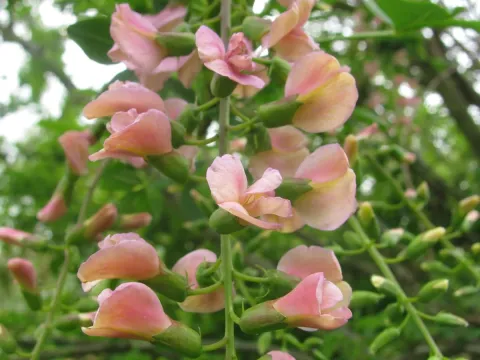
Laburnocytisus
Laburnocytisus
Laburnocytisus is a fascinating chimeric plant belonging to the Fabaceae family, resulting from a graft hybridization between Laburnum and Cytisus. This botanical curiosity is highly prized by gardeners for its ability to display characteristics of both parent species on a single shrub.
What the section contains

Laburnocytisus
The plant thrives in sunny, sheltered locations, away from strong and drying winds. It requires well-drained, fertile soil that is neutral or slightly alkaline in pH, as heavy or waterlogged soil can lead to rapid root decay and plant decline.
Proper water management is essential for this culture. While it needs consistent moisture during the active growing season, care must be taken to avoid excessive irrigation that could saturate the root zone, making drainage layers crucial in heavy soil conditions.
In colder regions, Laburnocytisus needs significant winter protection to survive frost damage. Mulching the base of the plant with organic matter and wrapping the branches with breathable protective fabrics is recommended until the shrub is fully established.
Its primary agricultural and horticultural use is as an ornamental specimen in landscaping. It serves as an excellent focal point in gardens or public parks, offering unique visual interest due to its diverse and colorful racemes of flowers.
Aphids are among the most common pests that affect the succulent new growth of Laburnocytisus. These insects cluster on stems and leaves, causing curling and reducing the overall vigor of the plant during the spring months.
Spider mites can become a major concern during hot, dry spells, as they multiply rapidly and drain sap from the foliage, often resulting in pale spots and premature leaf drop on the shrubs.
Powdery mildew is a prevalent fungal disease that typically manifests in humid conditions with poor airflow. It appears as a white, dusty coating on the leaves, which can inhibit photosynthesis if left untreated.
Maintaining good hygiene by removing debris and ensuring adequate spacing between plants significantly helps in reducing the incidence of fungal pathogens and pests in the garden environment.
Effective management includes using appropriate chemical or biological controls at the first sign of infestation, ensuring the longevity and aesthetic appeal of the shrub throughout the season.