
Fringed lavender
Lavandula dentata L.
Description
Sowing dates
Propagation is commonly achieved via seeds or stem cuttings. When starting from seed, use a lightweight, sterile potting mix and press the seeds lightly onto the surface without covering them completely.
Cold stratification is highly beneficial for improving germination rates. Place the seeded trays in a cool environment for several weeks before moving them to a warmer area with temperatures around 20 degrees Celsius.
Seedlings should be transplanted once they develop a few sets of true leaves. Ensure the pots have adequate drainage holes and use a soil mix specifically formulated for Mediterranean herbs to prevent overwatering.
Softwood cuttings are the preferred method for maintaining specific plant characteristics. Take cuttings in late spring or early summer, treat them with rooting hormone, and place them in a perlite-rich substrate.
Space mature plants at least 45 to 60 centimeters apart to promote airflow. Good circulation is vital for preventing humidity-related issues, especially in regions with high seasonal humidity levels.
Growing requirements
Fringed lavender (Lavandula dentata L.) is a member of the Lamiaceae family. It is a perennial evergreen shrub native to the Mediterranean region, the Canary Islands, and parts of North Africa.
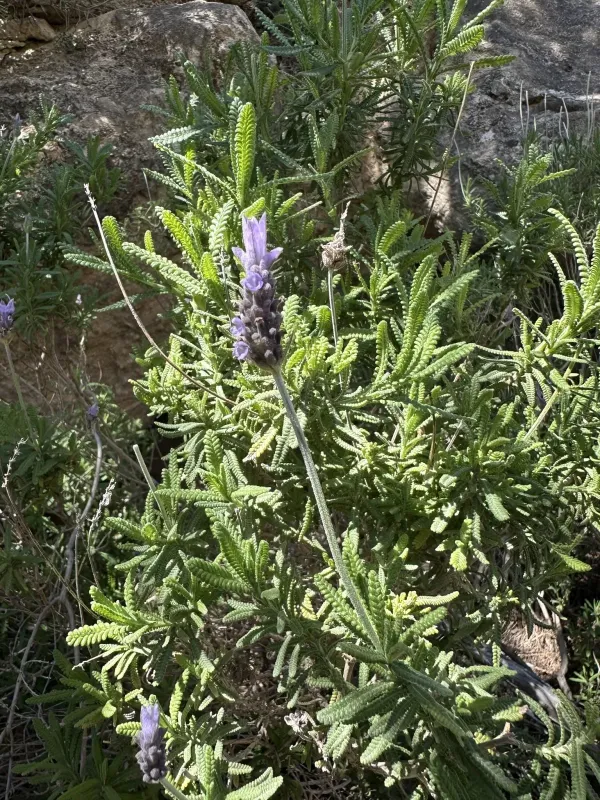
The plant is easily identified by its unique, toothed leaves, which feature a distinct serrated edge and a soft, grey-green velvety texture. Its flower heads are topped with vibrant, petal-like bracts, creating a signature aesthetic.
As a Mediterranean species, it is not cold-hardy and thrives best in frost-free climates. In cooler regions, it is typically grown as a container plant that must be moved indoors during winter months to protect it from freezing.
Full sun exposure is a non-negotiable requirement for this species. It needs at least six to eight hours of direct sunlight daily to maintain its compact growth habit and produce high levels of aromatic essential oils.
Well-draining soil is essential for the health of the root system. It prefers rocky, sandy, or loamy soils with a slightly alkaline pH. Avoid heavy, water-retentive clays, as they increase the susceptibility to root pathogens.
Main diseases and pests
Root rot is the most significant threat to Lavandula dentata. This disease is almost exclusively caused by overwatering or poor soil drainage, which keeps the root system perpetually saturated and prone to fungal decay.
Common pests include spider mites and aphids, which are often problematic when the plant is grown in sheltered, dry indoor environments. Regular monitoring of the leaf undersides is recommended for early pest detection.
Pruning is essential for maintaining plant vigor. By trimming back the foliage after the flowering phase, you prevent the center of the shrub from becoming woody and sparse, while also encouraging new, healthy growth.
In case of infestations, integrated pest management practices should be followed. Use insecticidal soaps or neem oil as a first line of defense, ensuring that these products are applied during the cool hours of the day.
Proper sanitation involves removing dead blossoms and debris from the base of the plant. This helps to reduce the risk of secondary infections and ensures the plant remains clean, healthy, and highly ornamental.