
Lavandula angustifolia
Lavandula spica Cav.
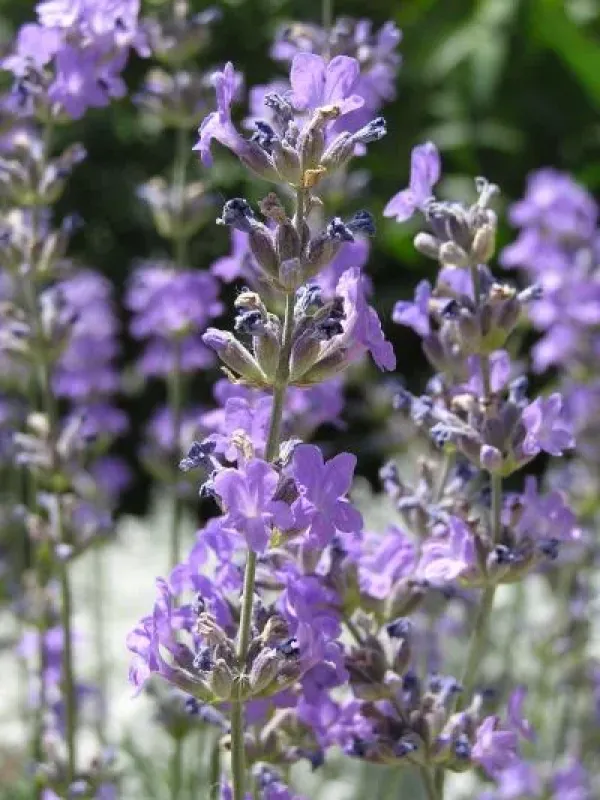
Description
Sowing dates
Propagating Lavandula angustifolia from seed requires a stratification period of four to six weeks at cold temperatures to break dormancy and ensure consistent germination rates.
For commercial agricultural production, vegetative propagation via softwood cuttings taken in late summer is the standard practice to maintain genetic uniformity.
Transplanting young plants into the field should ideally occur in early spring, allowing the root system to establish well before the intense summer heat sets in.
Planting density is crucial for airflow and disease prevention; standard configurations typically allow 1 to 1.5 meters between rows to facilitate machinery access.
Seedlings or cuttings should be handled with care to avoid root stress, ensuring that the planting hole is deep enough to accommodate the entire root ball comfortably.
Growing requirements
Lavandula angustifolia belongs to the Lamiaceae family and is native to the Mediterranean region, preferring environments with excellent drainage and full sun exposure.
The plant thrives in alkaline or neutral soil types and performs poorly in heavy clay or waterlogged areas, which often lead to root rot and premature plant death.
As a hardy perennial, it requires a climate that balances warm, dry summers with cold winters, and it is known for its high level of drought tolerance once established.
Consistent sunshine is the most significant environmental factor for oil quality, as higher solar radiation levels directly increase the synthesis of essential oils in flowers.
While the plant is tough, supplemental irrigation may be required during the first year of growth or during extreme, prolonged heatwaves to sustain the plants.
Yield
The average yield for lavender plantations ranges from 3,000 to 6,000 kilograms of fresh flowers per hectare, depending on variety and field management practices.
Essential oil yield is typically around 1-2 percent of the fresh weight, heavily dependent on the distillation method and the specific timing of the harvest.
Productivity peaks between the fourth and seventh years of the plant's lifecycle, after which yields may begin to decline without proper pruning and maintenance.
Well-maintained fields can remain productive for over a decade, provided that soil fertility is managed and the plants are regularly rejuvenated through pruning.
High-quality oil production often requires immediate on-site distillation or rapid drying of the floral material to preserve the volatile components.
Main diseases and pests
Botrytis cinerea, commonly known as gray mold, is the most common threat, especially in humid climates where stagnant air allows the fungus to proliferate.
Root rot pathogens, such as Phytophthora, are prevalent in fields with poor drainage, making soil preparation and landscape grading essential for crop survival.
Common insect pests include the froghopper (Philaenus spumarius), which damages young shoots, and various types of leaf beetles that feed on the foliage.
Integrated pest management strategies involve monitoring fields for infestation and using biological controls whenever possible to protect the chemical integrity of the oils.
Maintaining proper plant spacing is the most effective cultural method to prevent the spread of diseases by ensuring adequate ventilation through the plant canopy.
Harvesting
Harvesting should be timed precisely when 40 to 60 percent of the flowers on the spike have opened, ensuring the highest concentration of high-quality aromatic compounds.
Mechanical harvesters are employed in large-scale operations to efficiently cut the stems at the required length for optimal drying or distillery processing.
Speed is essential during the harvest; harvested material must be processed within hours to prevent the degradation of essential oils caused by heat and sunlight.
Post-harvest pruning is vital, as it shapes the lavender bush, removes dead stems, and stimulates the vigorous growth required for the next season's production.
Proper storage of dried lavender requires cool, dark, and well-ventilated conditions to maintain the fragrance and quality of the flowers for culinary or medicinal use.