
French lavender
Lavandula stoechas ssp luisieri
Description
Sowing dates
Sowing Lavandula stoechas ssp luisieri usually begins in late winter or early spring in a greenhouse or indoor environment. Using sterile potting mix is crucial to ensure high germination rates for this specific subspecies.
Seeds require a period of cold stratification to break dormancy. Placing them in a moist, cool environment for several weeks before planting significantly improves the success rate of the nursery phase.
Once seedlings emerge, they need bright, indirect light. Providing supplemental lighting in early stages prevents the seedlings from becoming leggy and promotes a robust root system before transplanting.
Spacing is vital when moving young plants into larger containers or outdoor beds. Maintaining a distance of at least 30 centimeters between plants allows for adequate airflow, which is critical for disease prevention.
Transplanting should occur only after the danger of frost has passed. Hardening off the plants by gradually exposing them to outdoor conditions over a week is recommended to prevent transplant shock.
Growing requirements
French lavender thrives in full sun exposure. It requires at least six to eight hours of direct sunlight daily to produce high-quality blooms and maintain its compact, bushy growth habit.
Unlike other lavender types, this subspecies prefers acidic to neutral soils. Ensuring the soil pH is not too alkaline is a key factor in successfully cultivating this Mediterranean native.
Drainage is the most critical soil requirement. The plant is highly susceptible to root rot if water sits around the root zone, so planting in raised beds or adding sand to the soil mix is highly advised.
The climate must be mild, as Lavandula stoechas is not as cold-hardy as other common varieties. In colder regions, keeping the plant in a pot that can be moved indoors during winter is a standard practice.
Watering should be managed with care. During the growing season, deep but infrequent watering is better than shallow daily moisture, allowing the top layer of soil to dry out completely between applications.
Main diseases and pests
Fungal diseases are the primary threat, particularly in humid or stagnant air environments. Root rot and gray mold (Botrytis) are common issues that arise when drainage is insufficient or spacing is too close.
Pests such as aphids and leafhoppers can infest the tender tips of the plants. Early detection is essential; utilizing organic insecticidal soaps can manage these populations before they cause significant damage.
Powdery mildew may occur during periods of high humidity and poor ventilation. Keeping the plant foliage dry during irrigation and ensuring good spacing usually keeps this threat under control.
Weed competition can weaken young lavender plants. Keeping the base of the plant free from debris and mulch, while ensuring it is not buried in organic matter, helps maintain a healthy and vigorous specimen.
Regular sanitation, including the removal of dead stems and foliage, is a proactive measure against pathogens. Clean tools should be used for pruning to prevent the accidental transfer of diseases between plants.
Harvesting
Harvesting should be done when the flower spikes are fully open and colored. This stage provides the highest yield of aromatic oils, which are highly valued in the cosmetic and perfume industries.
Cutting the stems in the early morning, once the dew has evaporated, ensures the highest quality of the essential oils. Using sharp, clean shears prevents crushing the stems and damaging the plant.
Drying is best accomplished by hanging small bundles upside down in a dark, cool, and well-ventilated area. Rapid drying helps preserve the vibrant purple color of the bracts and the fragrance of the florets.
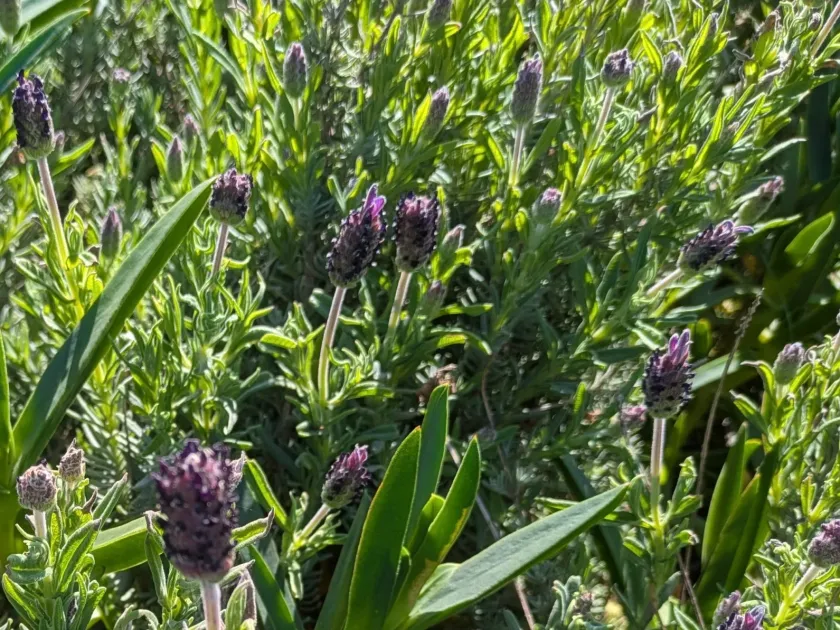
Beyond commercial oil production, French lavender is a staple in landscaping and ornamental gardening. Its unique "rabbit-ear" bracts make it a popular choice for borders and rock gardens.
Post-harvest pruning is necessary for the longevity of the plant. Cutting back the stems by a third after flowering promotes bushy growth and prevents the plant from becoming woody and sparse in the following years.