
French lavender
Lavandula pedunculata (Mill.) Cav. subsp. pedunculata
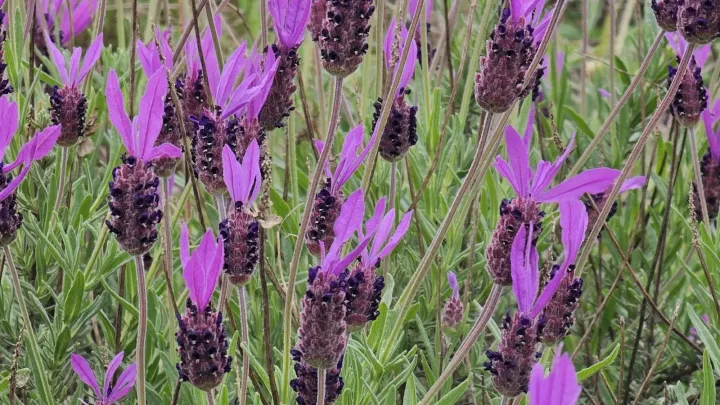
Description
Growing requirements
French lavender (Lavandula pedunculata), a member of the Lamiaceae family, is distinguished by its unique butterfly-like bracts. Originating from the Mediterranean region, this species is highly valued for its striking appearance and fragrant oil profile.
The crop requires well-draining, slightly alkaline soil to thrive. It is highly susceptible to root diseases if planted in waterlogged or heavy clay environments. Site selection should focus on areas with maximum solar exposure throughout the day.
Climate tolerance is a limiting factor for this species, as it is less cold-hardy compared to Lavandula angustifolia. It performs best in Mediterranean climates characterized by mild, wet winters and warm, dry summers.
Agricultural practices involve strategic pruning performed immediately after flowering. This process encourages dense growth and prevents the woody stems from becoming overly sparse, maintaining the plant's health and structural integrity.
Economic importance is high in the essential oil and ornamental industries. The extract from this species is used in high-end perfumery, while the plant itself remains a staple in landscaping projects due to its distinct, vibrant inflorescences.
Main diseases and pests
Root rot and crown rot represent the most significant pathological threats to French lavender. These diseases are almost exclusively triggered by excessive irrigation or poor drainage systems within the planting field.
Pest pressure often includes spider mites and aphids, which can proliferate rapidly in warm, dry weather. These insects sap the vitality of the plant and may degrade the quality of the essential oil harvested from the flowers.
To prevent the spread of diseases, it is recommended to maintain wide spacing between rows to facilitate airflow. Eliminating standing water after rainfall is a critical management practice for disease prevention.
Monitoring for phytoplasma-related issues is necessary, as these can lead to malformed flower spikes. Infected plants should be promptly removed and destroyed to prevent spreading throughout the plantation.
Integrated Pest Management (IPM) is the preferred approach for this crop. By encouraging natural predators and using minimal, targeted interventions, farmers can maintain high production standards while protecting the local ecosystem.