
French lavender
Lavandula pedunculata (Mill.) Cav. subsp. lusitanica (Chaytor) Franco
Description
Growing requirements
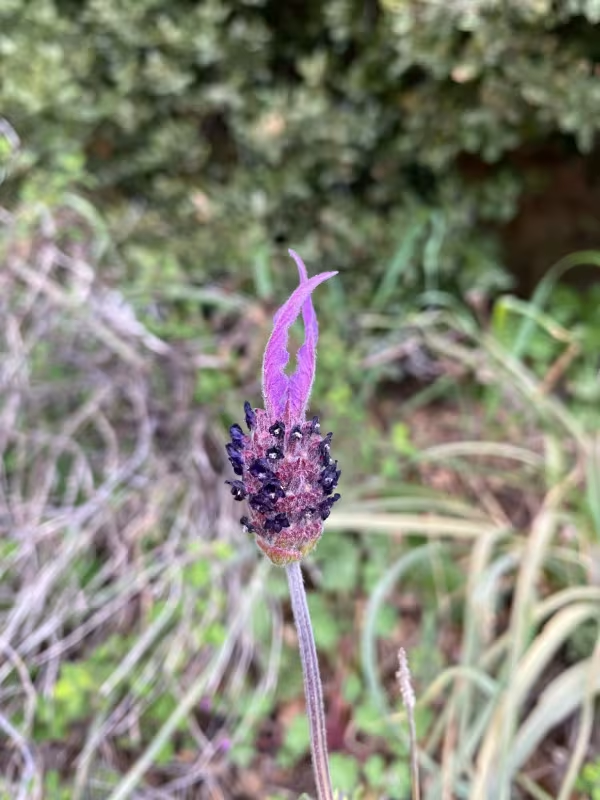
French lavender (Lavandula pedunculata subsp. lusitanica) is a perennial evergreen subshrub belonging to the Lamiaceae family. It is distinctively recognized by its large, showy bracts at the top of the flower spikes, which are often compared to rabbit ears.
The plant is native to the Mediterranean basin and the Iberian Peninsula, thriving in warm, sunny environments. Abundant sunlight is essential for healthy development and for maximizing the aromatic oil concentration within the foliage and flowers.
Cultivation requires well-draining soil, typically sandy or gravelly in texture. These plants are highly susceptible to root diseases if left in waterlogged conditions, making proper soil aeration and drainage the most important factors for site selection.
Climate-wise, the plant prefers mild winters and warm, dry summers. While it can handle occasional drought once established, regular monitoring of moisture levels is recommended during the initial growth phase to ensure strong root development.
Economically, this species is highly valued in the essential oil industry and as a decorative plant in landscaping. Its unique aesthetic and potent fragrance make it a popular choice for xeriscaping and aromatic herb gardens.
Main diseases and pests
The primary threat to the health of the plant is root rot caused by poor soil drainage. Fungal pathogens such as Phytophthora thrive in damp conditions, often leading to rapid decline and death of the lavender shrubs.
Botrytis, or gray mold, can occur when there is excessive humidity and poor air circulation. This pathogen manifests as a fuzzy growth on the flowers and leaves, necessitating immediate removal of infected parts and thinning of the canopy.
Common pests include aphids, which suck nutrients from tender young stems, and spittlebugs that create foam-like substances on the plant. Early detection and treatment help maintain the vigor of the plant.
Leaf beetles may also feed on the foliage during the growing season. Integrated pest management, including the use of neem oil or insecticidal soaps, is often sufficient for controlling these minor infestations.
Proper plant spacing during initial planting is crucial for disease prevention, as it ensures adequate airflow and reduces the micro-humidity levels that encourage the spread of pathogens.
Harvesting
Harvesting is performed during the peak flowering stage when the majority of florets are open. This timing is critical to ensuring the highest possible quality and yield of aromatic essential oils.
The harvest should take place on a dry, sunny morning after the dew has evaporated. Using sharp pruning shears to cut the stems, leaving the woody base of the plant intact, is vital for long-term health and regrowth.
For essential oil production, the harvested material should be processed as quickly as possible. Steam distillation is the standard method used to extract the volatile compounds from the fresh flower spikes.
When harvesting for dried flowers, the stems are bundled and hung upside down in a dark, well-ventilated area. Drying away from direct sunlight preserves the vibrant color of the bracts and the intensity of the scent.
Post-harvest maintenance includes light trimming to keep the shrubs compact and encourage new growth. This practice prevents the plant from becoming too leggy and improves its overall structure for the following year.