

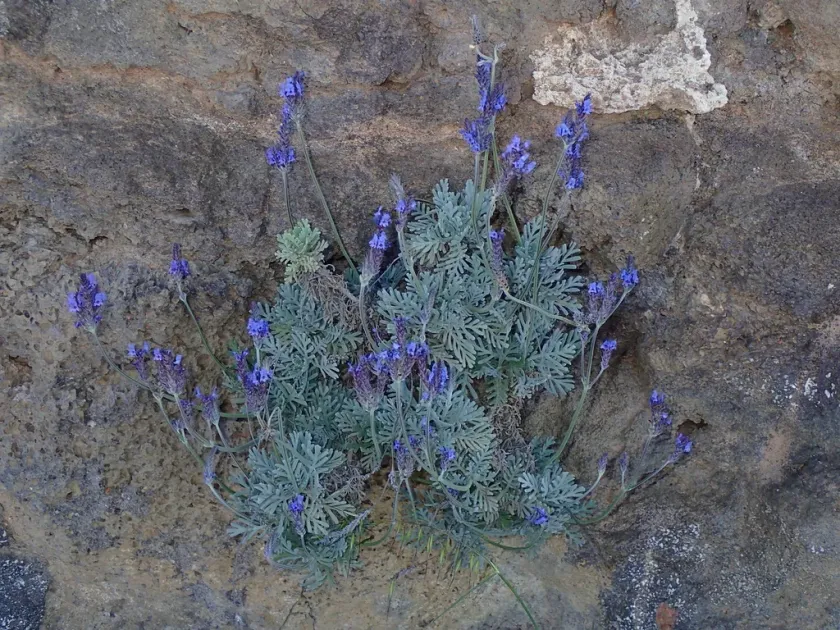
Description
Sowing dates
Lavandin (Lavandula x intermedia) is a sterile hybrid derived from Lavandula angustifolia and Lavandula latifolia, belonging to the Lamiaceae family. Because it is a hybrid, it does not produce viable seeds and must be propagated vegetatively.
Cuttings are the primary method for industrial propagation. Semi-hardwood cuttings are taken during the growing season or in late summer and rooted in nurseries to ensure the genetic consistency of the plantation.
Planting in the field is usually performed during the autumn, allowing the root system to establish before the onset of winter dormancy. Spring planting is an alternative, provided that consistent irrigation is available during the initial growth stages.
Due to its robust size, lavandin requires wider spacing compared to common lavender. Typically, rows are spaced 1.5 to 2 meters apart to accommodate heavy machinery for cultivation and mechanized harvesting.
Utilizing high-quality planting material is essential for establishing uniform stands. Since lavandin is cloned, all plants across a field will mature simultaneously, which is critical for standardized distillation processes and consistent oil quality.
Growing requirements
Lavandin is a heliophilic and thermophilic crop that thrives in sunny, open locations. High solar radiation is essential, as it directly influences the biosynthesis and concentration of essential oils in the plant's glands.
The ideal soil for lavandin is light, well-draining, and sandy or loamy. Soil pH should ideally range between 6.5 and 7.5; acidic soils require liming to prevent chlorosis and poor overall plant health.
Waterlogging is the most common cause of crop failure in lavandin plantations. Fields must have excellent drainage, as saturated soil leads to rapid root decay and mortality in mature specimens.
While lavandin is highly drought-tolerant, supplemental drip irrigation is recommended in commercial operations to maximize biomass and oil yield during the peak development phases of the season.
Climate adaptability is a strength of lavandin, but it remains susceptible to extreme winter conditions. Selecting hardy cultivars and planting on elevated terrain helps avoid frost pockets and ensures the longevity of the plantation.
Yield
Lavandin is cultivated primarily for its high-yield essential oil, which is richer in camphor and other terpenes compared to traditional lavender. The crop is a staple in the perfume, cosmetic, and cleaning product industries.
Maximum productivity typically begins in the third year and lasts up to a decade. Proper plantation management can sustain high yield levels, provided the crop is rejuvenated through pruning and soil fertilization.
The volume of essential oil extracted is highly sensitive to the timing of the harvest and the efficiency of the distillery. Processing must occur within hours of cutting to preserve the volatile chemical profile of the oil.
Besides essential oil, lavandin is highly valued in the dried flower industry. Its long, sturdy stems and vibrant purple spikes make it an excellent choice for floral arrangements and potpourri, adding economic diversity to the farm.
Regular annual pruning is mandatory to maintain yield. By cutting back the woody stems after harvesting, farmers promote fresh, succulent growth and prevent the centers of the bushes from becoming barren or unproductive.
Main diseases and pests
Fusarium wilt is a major threat to lavandin, often spreading through poorly drained soils or contaminated plant material. It causes the sudden collapse of the plant and is difficult to control once established.
Root rot caused by Phytophthora species is common in overly wet seasons. Management relies heavily on preventative drainage solutions and avoiding excessive irrigation during damp weather conditions.
Pests such as aphids and spittlebugs can weaken the plants and affect the quality of the inflorescences. While often manageable, these pests can become vectors for viral and fungal diseases that affect oil production.
Gray mold (Botrytis) frequently occurs during flowering if humidity levels are high. Ensuring adequate airflow between plants by maintaining proper row spacing is the most effective cultural method to reduce mold pressure.
Integrated Pest Management (IPM) strategies, including monitoring and the use of targeted biological controls, are preferred in modern agriculture to ensure the final product meets the strict requirements of international pharmaceutical and cosmetic buyers.
Harvesting
Harvesting is performed during the peak blooming phase, when approximately 50% of the flowers have opened. This is the moment when the essential oil concentration in the flower spikes is at its highest.
Mechanical harvesting is the standard for large-scale production, using specialized tractors that cut the flower spikes efficiently. Speed is critical; the harvested material must reach the distillation unit as quickly as possible.
Logistics play a vital role in oil quality. Even slight delays in transport can cause the floral material to ferment or lose its aromatic integrity, which negatively impacts the market price of the resulting essential oil.
For the dried flower market, the harvest is performed earlier to maintain structural integrity and color. These flowers are bundled and hung in dark, well-ventilated rooms to ensure slow drying and color retention.
Post-harvest care involves clearing the fields of crop residues and performing necessary soil maintenance. Preparing the plants for winter ensures they enter the dormant season with enough resources for vigorous regrowth in the spring.
Content graph
Connections · Lavandin
Most often together:
Marketplace

