
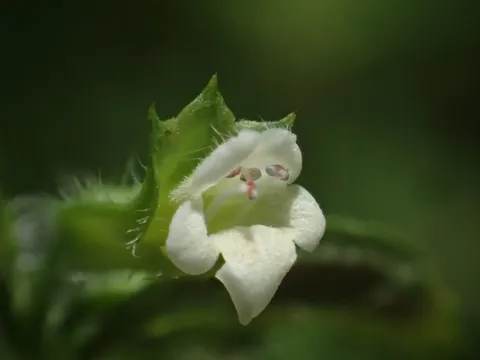
Lemon balm
Melissa
Lemon balm (Melissa officinalis) is a perennial herbaceous plant from the Lamiaceae family. It is widely recognized for its characteristic lemon scent, caused by high levels of citral and citronellal.
What the section contains

Lemon balm
The seeds are very small and have low germination rates, so they are often sown in seedling trays under controlled greenhouse conditions before being transplanted into the field.
If direct seeding in the field is chosen, the seeds should be sown in late spring once the soil temperature is consistently above 12 degrees Celsius to ensure rapid emergence.
Row spacing is typically kept between 60 and 80 cm to facilitate mechanical cultivation, while plants within the row are spaced at 25-30 cm intervals.
As a long-lived perennial, a well-established lemon balm field can remain productive for up to 10 years if the soil fertility and weed management are maintained appropriately.
This crop thrives in sunny locations but can tolerate partial shade. However, full sun exposure is essential for maximizing the concentration of volatile oils in the leaves.
The ideal soil is fertile, well-drained, and light, such as sandy loam or loam with a neutral pH. The plant performs poorly in heavy clay soils that are prone to waterlogging.
Regular irrigation is necessary to maintain high green mass production, especially during the peak summer growth phases when evaporation rates are highest.
Fertilization with organic matter and balanced NPK fertilizers is recommended to support continuous leaf growth throughout the growing season.
Winter hardiness is relatively high, but in colder regions, the plants may need protection or mulching to prevent root damage during extreme freezing events.
Powdery mildew is the most common fungal disease, typically appearing as a white dusting on the foliage. Proper spacing and airflow are the best preventive measures.
Septoria leaf spot and other fungal pathogens can also cause significant damage if the field management practices do not prioritize hygiene and aeration.
Common pests include aphids and mites, which feed on the sap and can lead to stunted plant growth and reduced leaf quality, especially in drought-stressed crops.
Managing the surrounding area for weeds is critical, as many common weeds serve as hosts for pests and diseases that can quickly spread to the lemon balm crop.
Integrated pest management (IPM) strategies, including biological control, are preferred to maintain the organic standards required for medicinal herb production.
Harvesting is performed during the peak flowering stage to capture the highest essential oil content. This is when the plant's medicinal and aromatic value is maximized.
Plants are cut at 10-15 cm above the ground. This ensures that the base of the plant remains intact, allowing for rapid regeneration and subsequent harvests during the same season.
The harvested plant material must be dried quickly in a cool, dark, and well-ventilated area to preserve the volatile oils and maintain the desired bright green leaf color.
Professional operations often use mechanical harvesters for larger fields to ensure that the material is processed immediately, preventing fermentation and quality loss.
Multiple cuts can be achieved annually depending on the climate and growth conditions, providing multiple income streams from the same planting investment.