
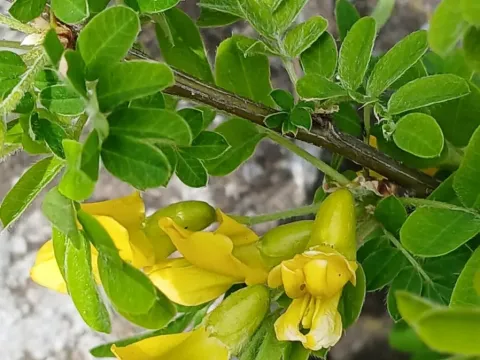
Caragana
Caragana
Caragana seeds are typically sown in early spring once soil temperatures reach 10 degrees Celsius, or in late autumn for winter stratification.
What the section contains
 Beijing caragana
Caragana pekinensis
Boisii peashrub
Caragana boisii
Beijing caragana
Caragana pekinensis
Boisii peashrub
Caragana boisii
 Caragana brevifolia
Caragana brevifolia
Caragana brevifolia
 Caragana brevispina
Caragana decorticans
Caragana decorticans
Caragana densa
Caragana densa
Caragana brevispina
Caragana brevispina
Caragana decorticans
Caragana decorticans
Caragana densa
Caragana densa
 Caragana franchetiana
Caragana grandiflora
Caragana grandiflora
Caragana franchetiana
Caragana franchetiana
Caragana grandiflora
Caragana grandiflora
 Caragana jubata
Caragana jubata
Caragana jubata
 Caragana maximowicziana
Caragana maximowicziana
Caragana maximowicziana
 Caragana pleiophylla
Caragana pleiophylla
Caragana pleiophylla
 Caragana sophorifolia
Caragana sophorifolia
Caragana sophorifolia
 Caragana spinosa
Caragana sukiensis
Caragana sukiensis
Caragana spinosa
Caragana spinosa
Caragana sukiensis
Caragana sukiensis
 Caragana tragacanthoides
Caragana tragacanthoides
Caragana tragacanthoides
 Caragana versicolor
Caragana versicolor
Caragana versicolor
 Chinese peashrub
Caragana sinica
Gerard's peashrub
Caragana gerardiana
Chinese peashrub
Caragana sinica
Gerard's peashrub
Caragana gerardiana
 Globe pea-shrub
Caragana frutex
Globe pea-shrub
Caragana frutex
 Littleleaf Peashrub
Caragana microphylla
Mountain peashrub
Caragana oreophila
Littleleaf Peashrub
Caragana microphylla
Mountain peashrub
Caragana oreophila
 Orange pea shrub
Caragana aurantiaca
Orange pea shrub
Caragana aurantiaca
 Pygmy peashrub
Caragana pygmaea
Pygmy peashrub
Caragana pygmaea
 Scythian caragana
Caragana scythica
Scythian caragana
Caragana scythica
 Tangut pea shrub
Caragana tangutica
Tangut pea shrub
Caragana tangutica
 Tibetan caragana
Caragana tibetica
Tibetan caragana
Caragana tibetica
Caragana
Pre-soaking seeds in warm water for several hours before spring planting is recommended to improve germination uniformity and speed.
Seeds should be planted at a depth of 2 to 3 centimeters, ensuring they remain in constant contact with moist soil for optimal establishment.
When used for shelterbelts or hedgerows, row spacing should be maintained at 1.5 to 2 meters to allow for healthy root development.
During the first year, it is crucial to keep the area around the seedlings free of weeds, as the plant grows slowly during its juvenile stage.
Caragana belongs to the Fabaceae family and is known for its remarkable resilience and ability to thrive in harsh environmental conditions.
It is highly adaptable and can grow on a wide range of soil types, including sandy, stony, and even saline soils where other crops struggle.
The shrub is exceptionally winter-hardy and drought-tolerant, making it an excellent choice for reforestation and reclamation in arid climates.
The species prefers full sun exposure; while it can survive in partial shade, it performs significantly better with adequate light.
As a nitrogen-fixing legume, Caragana naturally improves soil quality, making it a valuable species for ecological restoration projects.
Caragana is primarily utilized for land reclamation, wind erosion control, and as a highly valuable source of early-season nectar for honeybees.
During its blooming period, it provides a consistent and abundant nectar flow, supporting the health of nearby honeybee populations.
Its foliage and young branches can serve as a supplemental forage source for livestock, contributing to the nutritional value of pasture lands.
The dense structure of the shrub makes it ideal for windbreaks, which help reduce soil erosion and improve moisture retention in agricultural fields.
- Enhancement of soil fertility.
- Effective windbreak and shelterbelt creation.
- High-quality early nectar production.
- Stabilization of sandy or eroded terrains.
- Valuable foliage for livestock forage.
While generally robust, Caragana can be susceptible to powdery mildew, especially in areas with poor air circulation or high humidity.
The most common insect threats include aphids, which target young shoots and can lead to stunted growth if left unmanaged.
Various types of leaf beetles can cause significant foliage damage, potentially reducing the plant's photosynthetic capacity during the summer.
Effective management includes monitoring for pests and applying targeted insecticides when necessary, preferably before the blooming phase.
Regular sanitation, such as removing damaged or infected branches, helps prevent the spread of diseases and maintains overall plant vigor.