
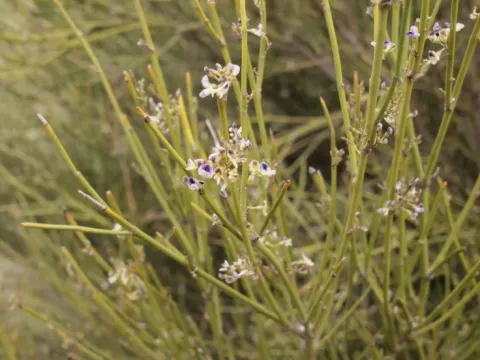
Carmichaelia
Carmichaelia
Carmichaelia seeds are best sown in spring when soil temperatures reach 15–18 degrees Celsius. To enhance germination, it is recommended to stratify the seeds for about a month under cool conditions prior to sowing.
What the section contains
 Carmichaelia crassicaulis
Carmichaelia crassicaulis
Carmichaelia crassicaulis
 Carmichaelia ensyi
Carmichaelia ensyi
Carmichaelia ensyi
 Carmichaelia flagelliformis
Carmichaelia flagelliformis
Carmichaelia flagelliformis
 Carmichaelia grandiflora
Carmichaelia grandiflora
Carmichaelia grandiflora
 Carmichaelia monroi
Carmichaelia monroi
Carmichaelia monroi
 Carmichaelia orbiculata
Carmichaelia orbiculata
Carmichaelia orbiculata
 Carmichaelia petriei
Carmichaelia petriei
Carmichaelia petriei
 Carmichaelia stevensonii
Carmichaelia stevensonii
Carmichaelia stevensonii
 Carmichaelia williamsii
Carmichaelia williamsii
Carmichaelia williamsii
 Southern broom
Carmichaelia australis
Southern broom
Carmichaelia australis
Carmichaelia
The seeds should be planted in a light, well-draining substrate at a depth of no more than 1 cm. Keeping the containers covered with plastic helps maintain the consistent humidity levels required for the seeds to sprout effectively.
Seedlings should be pricked out after the first pair of true leaves emerges. Given that the root system is sensitive to disturbance, transplantation must be handled with great care to avoid damaging the roots.
Transplanting to the permanent outdoor location should be scheduled for the second half of spring once the threat of frost has passed. Plants should be spaced appropriately based on the expected spread of their unique, leafless-looking stems.
Vegetative propagation is also feasible via semi-hardwood cuttings taken during summer. These cuttings are treated with rooting hormones and planted in a sandy-peat mix under cover until established root systems are formed.
Carmichaelia is a genus within the Fabaceae family, native primarily to New Zealand. These plants are characterized by their distinct leafless appearance, where the green stems perform photosynthesis, allowing them to thrive in diverse environments.
Optimal growth requires sunny sites protected from strong, drying winds. While the plants are adaptable, excessive shade will lead to stunted development, reduced flowering, and an overall loss of vigor in the foliage-less stems.
Soil requirements are relatively minimal, provided there is excellent drainage. The plants are well-suited to poor, rocky, or sandy substrates and exhibit a preference for neutral to slightly acidic pH conditions.
Once established, Carmichaelia shows a good degree of drought tolerance. However, during the initial growing season, regular irrigation is essential. Waterlogging must be avoided at all costs, as it rapidly leads to root rot.
Maintenance includes light pruning to encourage a bushy habit. This is best carried out in early spring, removing any dead or damaged stems to stimulate fresh growth and improve the aesthetic shape of the plant.
The primary threats to Carmichaelia are fungal infections caused by poor ventilation or overly moist growing conditions. Root rot is the most common issue, often stemming from inadequate drainage or excessive soil moisture.
Common pests include aphids and spider mites, which can cause significant damage to tender new growth. These pests thrive in hot, dry conditions and can quickly weaken the plant if left untreated.
Pest management relies on the timely application of systemic insecticides. Regular monitoring is crucial to catch infestations early, and maintaining clean garden practices helps to limit the spread of potential pathogens.
Preventative measures center on good cultural practices, such as ensuring sufficient space for airflow between plants and avoiding overhead irrigation that keeps the stems wet for extended periods.
During exceptionally cold winters, young Carmichaelia specimens may benefit from light protection to prevent tissue damage. While mature plants are generally hardy, exposed locations in frosty regions can still cause dieback.