
Caragana jubata
Caragana jubata
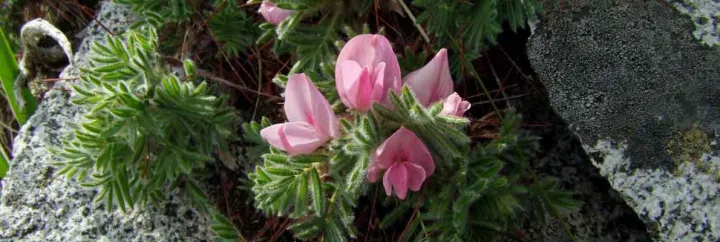
Description
Sowing dates
Propagation of Caragana jubata is primarily achieved through seeds. To ensure successful germination, seeds should undergo a cold stratification period of several weeks, mimicking the natural conditions of their high-altitude habitat.
Sowing in open ground is best performed in the spring once the risk of severe frost has passed. Seeds should be planted at a shallow depth of approximately 2 to 3 centimeters to allow for optimal moisture access.
The soil should be well-prepared and cleared of competing weeds before planting. A light, well-draining substrate is ideal for young seedlings to establish their root systems effectively during the first season.
Depending on the intended use, planting density can vary. For restorative plantings or live hedges, closer spacing is recommended, while for solitary specimens, ample space should be provided for crown development.
During the initial growth stages, maintaining consistent soil moisture is crucial. Although the adult plant is drought-tolerant, seedlings require regular care to prevent moisture stress before they become fully established.
Growing requirements
Caragana jubata belongs to the Fabaceae family and is recognized as a hardy, deciduous shrub. It is naturally found in the alpine zones of Siberia and Mongolia, where it grows in harsh, rocky terrains.
The species is exceptionally tolerant of extreme climates. It thrives in high-altitude conditions characterized by low temperatures, high winds, and significant diurnal temperature fluctuations throughout the growing season.
Soil requirements are relatively modest. The plant can thrive in poor, rocky, and mineral-deficient soils, largely due to its ability to form a symbiotic relationship with nitrogen-fixing bacteria on its roots.
Exposure to full sunlight is essential for optimal health and flowering. While the plant can tolerate partial shade, its form and density are significantly better when grown in open, sunny environments.
Maintenance is minimal. The plant requires little more than occasional pruning to remove dead or damaged branches, which helps to keep the shrub tidy and encourages healthy new growth annually.
Harvesting
The primary utility of Caragana jubata lies in its traditional medicinal applications. Various parts of the plant, including branches and bark, are harvested for their therapeutic compounds used in herbal remedies.
Harvesting is typically done during the active growing season. It is vital to use sustainable collection practices to ensure the long-term survival of the wild populations and to maintain the quality of the raw material.
Processing the harvested material involves gentle drying in well-ventilated areas. Maintaining temperatures below 45 degrees Celsius is important to prevent the degradation of the active biological substances within the plant.
Stored raw materials should be kept in a dry, cool, and dark environment to preserve their efficacy. Proper packaging in breathable materials helps to prevent moisture accumulation and microbial spoilage.
Beyond its pharmaceutical value, Caragana jubata is highly regarded for its ecological role. It serves as an excellent stabilizer for steep, erosion-prone slopes, contributing to the health of fragile mountain landscapes.