
Caragana tragacanthoides
Caragana tragacanthoides
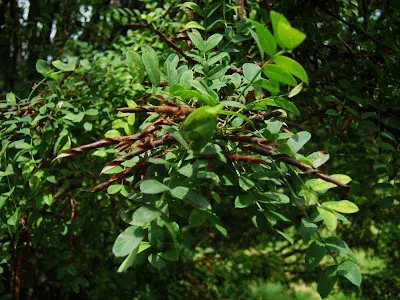
Description
Growing requirements
Caragana tragacanthoides is a hardy, long-lived shrub belonging to the Fabaceae family. It is naturally adapted to the arid environments of Central Asia, Mongolia, and Northern China, thriving in regions with extreme temperature fluctuations and very low annual precipitation.
This species is a typical xerophyte, requiring high light intensity for optimal growth. It is highly drought-tolerant and frost-resistant, making it an excellent candidate for the reclamation of desertified lands and harsh, stony environments where other vegetation fails to thrive.
The plant prefers well-drained, porous soils. Its deep and extensive root system is specifically adapted to secure unstable sandy soils, thereby acting as a natural barrier against wind erosion and desert encroachment.
As a legume, it has the biological capability to fix atmospheric nitrogen in symbiosis with specialized bacteria. This process enhances the nitrogen content of the soil, making it a valuable plant for soil fertility improvement in arid farming systems.
Agricultural management requires choosing elevated, sunny locations with minimal soil moisture stagnation. Once established, the shrub is largely self-sustaining and requires little to no maintenance, showing impressive resilience to environmental stress.
Yield
The primary agricultural use of Caragana tragacanthoides is in phytoremediation and soil conservation. It is frequently employed in afforestation projects designed to stabilize sand dunes and protect agricultural crops from sandstorms.
In extensive pastoral systems, it serves as a source of supplementary forage for livestock, particularly camels and goats. Despite the presence of thorns, the plant provides essential protein content during the dry seasons when other forage sources are depleted.
While not a traditional high-yield crop in terms of harvestable grain, the biomass production contributes significantly to the health of semi-desert ecosystems. Its longevity ensures that it provides continuous ecosystem services for decades.
Seed harvesting can be performed when the pods reach maturity, allowing for the propagation of the species in similar ecological zones. The plant is often used to establish living fences that reduce evaporation rates in adjacent fields.
By creating favorable microclimates and improving soil structure, Caragana tragacanthoides indirectly supports the overall productivity of agriculture in challenging climates, contributing to the sustainability of local rural economies.
Main diseases and pests
The plant is occasionally susceptible to fungal rust diseases, which primarily impact the foliage during periods of unusually high humidity. Maintaining proper spacing between bushes is the best preventive measure to encourage air circulation.
Seed-feeding insects are the most common pests, as their larvae can consume developing seeds within the pods. This can impact the yield of viable seeds, especially during prolonged drought periods when the plant is stressed.
Aphid infestations may occur on young, tender shoots but are generally not lethal to mature, established bushes. These populations are usually managed by natural predators in wild or semi-wild ecosystems.
Effective pest management involves monitoring the plants during the reproductive phase. Given the rugged nature of the landscapes where this shrub is typically grown, chemical interventions are rarely justified or practical.
Pruning out damaged or necrotic branches helps in maintaining the vitality of the plant and reduces the spread of fungal pathogens. Choosing resistant varieties or local ecotypes is a reliable strategy for ensuring long-term plant health.