
Caragana pleiophylla
Caragana pleiophylla
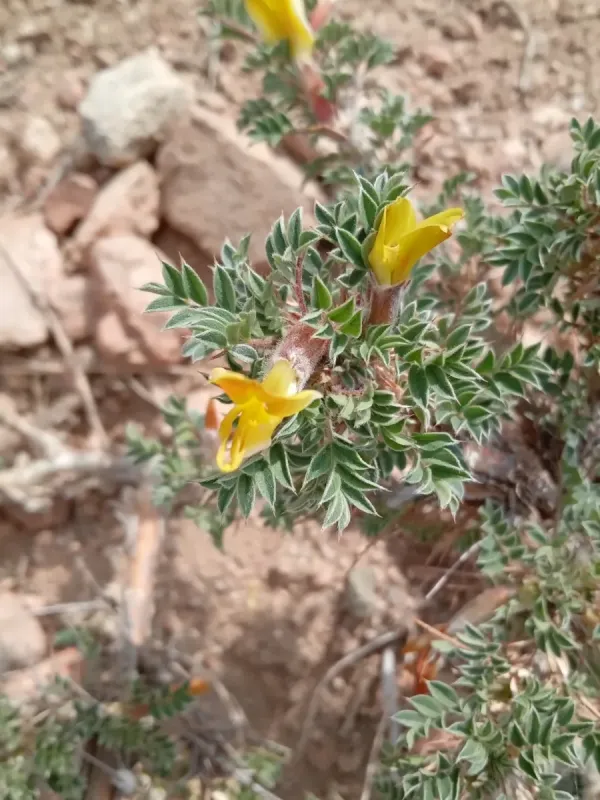
Description
Growing requirements
Caragana pleiophylla is a perennial shrub belonging to the Fabaceae family. It is a highly resilient species naturally occurring in the arid regions of Central Asia, specifically adapted to survive in harsh, continental climates.
The plant thrives in regions characterized by low precipitation and significant temperature fluctuations. Its natural habitat includes sandy deserts and rocky slopes, where it plays a critical role in soil stabilization.
Botanically, it is recognized for its nitrogen-fixing capabilities, which enhance soil fertility. This makes it a preferred species for reclamation projects and degraded lands where soil enrichment is essential for ecosystem restoration.
In terms of soil requirements, it prefers well-drained, porous soils. It is particularly valued for its tolerance to saline conditions and poor nutrient availability, surviving in environments where most agricultural crops would fail.
Optimal growth is achieved in open areas with full sun exposure. The plant requires minimal irrigation once established, making it a sustainable choice for water-scarce regions aiming to increase green cover.
Main diseases and pests
The primary biotic threats to Caragana pleiophylla include various species of defoliating insects, which can cause significant damage to the canopy during peak growth seasons.
Fungal pathogens such as rust and mildews may manifest in suboptimal environments where poor air circulation and excessive moisture occur, hindering the photosynthetic potential of the plant.
Rodent populations, particularly in steppe habitats, can cause mechanical damage to the roots and bark, leading to reduced vitality and susceptibility to subsequent drought-related stress.
Systemic pests like aphids can attack tender new shoots during the spring, which, if left unchecked, may cause stunted growth and reduced biomass yield in plantation settings.
Management of these threats is best achieved through site selection that maximizes airflow and sun exposure, combined with occasional monitoring to prevent the build-up of damaging insect populations.