
Canavalia villosa
Canavalia villosa
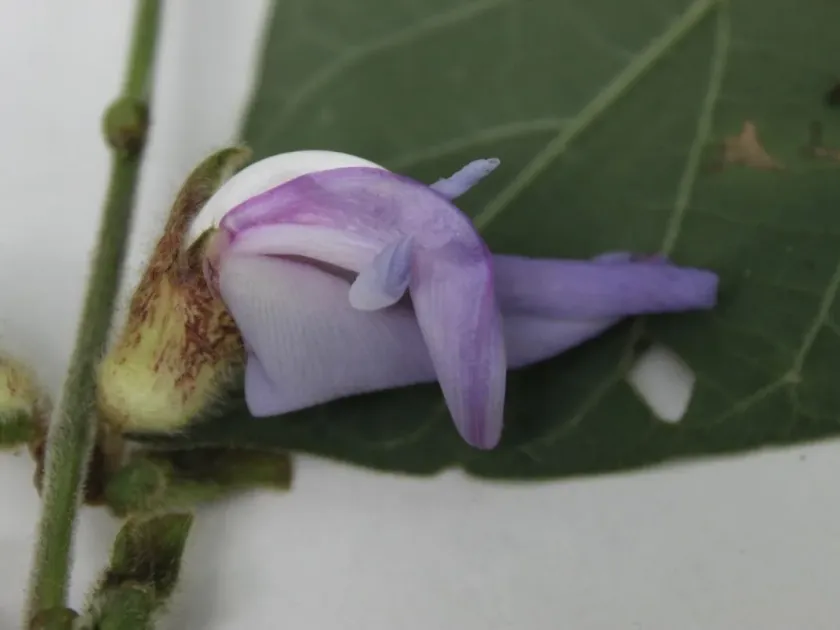
Description
Sowing dates
Canavalia villosa belongs to the Fabaceae family and is a tropical perennial herbaceous plant. The sowing time for this crop depends on the local climate; however, the most favorable period is when soil temperatures remain consistently between 18 and 22 degrees Celsius.
In regions with distinct seasons, sowing is conducted in spring once the risk of night frost has passed. In tropical climates, it is typically sown at the beginning of the rainy season, which provides the seeds with the necessary moisture for uniform germination and vigorous early growth.
Pre-sowing preparation involves seed cleaning and calibration to ensure high germination rates. Seeds are typically planted at a depth of 3 to 5 centimeters, depending on soil type and compaction, allowing the plant to develop a strong root system from the start.
Adhering to proper spacing is crucial for optimal development. A wide-row planting method is recommended, as it facilitates field maintenance and ensures adequate sunlight and air circulation reach all parts of the plants.
When used as a green manure or cover crop, sowing density should be calculated based on the objective, aiming to create a dense canopy that effectively suppresses weed growth and contributes maximum biomass to the soil.
Growing requirements
Canavalia villosa has high thermal requirements, being a heat-loving plant. It thrives in hot tropical or subtropical climates where average temperatures do not drop below 20 degrees Celsius during the active growing season.
The plant prefers well-drained soils with a neutral or slightly acidic pH. While it can withstand short periods of drought due to its deep-reaching root system, optimal productivity requires consistent moisture during the flowering and pod-setting stages.
While moderately demanding in terms of soil fertility, the crop responds positively to phosphorus and potassium fertilizers. Through symbiosis with nitrogen-fixing bacteria, it improves soil nitrogen levels, making it a valuable addition to rotation schemes.
Sunlight is critical for growth. Shaded conditions lead to spindly growth, reduced biomass, and delayed developmental stages; therefore, planting sites must be open and receive direct sunlight for most of the day.
Physical soil properties are significant; the plant does not tolerate waterlogging or heavy clay soils with poor aeration. Sandy loam or light, structured soils provide the ideal substrate for forming healthy and robust plants.
Yield
The yield potential of Canavalia villosa is measured by the volume of green biomass produced, which is highly valued for livestock fodder. With proper agronomic practices, the crop shows high productivity and rapid growth of its vegetative parts.
Green biomass yields can be substantial under intensive management, including timely irrigation and fertilization. The exact figures depend on the number of cuttings performed during the season, provided the root system remains sufficiently energized to regenerate.
Agricultural use also includes seed production, where yield is determined by the number of pods per plant. High seed productivity allows for efficient self-sufficiency regarding planting material for future seasons.
The timing of harvest is an essential factor influencing overall yield. Earlier harvesting yields more succulent fodder, while later harvesting increases fiber content, which is beneficial for hay production and long-term storage.
The crop possesses good regenerative abilities, enabling multiple harvests within a single growing season when environmental conditions—specifically heat and moisture—are optimal.
Main diseases and pests
Fungal diseases are the primary threat to Canavalia villosa, particularly under conditions of high humidity and poor ventilation. Anthracnose and various leaf spot diseases can damage the foliage, significantly reducing photosynthetic efficiency.
Common pests include defoliating insects such as caterpillars and various types of weevils. Their feeding activity can cause substantial damage if monitoring is not performed regularly and if protective measures are not taken in a timely manner.
Root rot represents a serious danger when soil becomes waterlogged or management practices are poor. To prevent this, crop rotation must be followed, and dense, unmanaged plantings that harbor pathogens in the rhizosphere should be avoided.
Weed competition is significant during the early growth stages, making weed control in the first month post-germination an essential part of the agricultural process to ensure the crop establishes dominance over the area.
In warm regions, spider mites may also pose a problem, as they reproduce rapidly in dry weather. Regular field inspections are necessary to identify infestation clusters and apply appropriate control measures before they spread across the plot.
Harvesting
Harvesting strategies for Canavalia villosa vary based on the intended use. For forage production, cutting should occur at the start of flowering, when nutrient content is at its peak and before the stems become overly lignified and tough.
Hay production requires mechanical mowers capable of ensuring uniform cutting. Proper drying procedures are vital to prevent mold growth and preserve nutritional quality, given the high moisture content of the stems.
For seed production, harvesting begins once the pods develop their characteristic color and start to dry. Mechanical harvesting requires precise combine settings to prevent seed damage, as the seed coat can be sensitive to aggressive mechanical handling.
After harvest, seeds must be dried in facilities with forced ventilation to reach moisture levels suitable for long-term storage without compromising viability. Cleaning standards must be met to ensure the quality of the harvested seed lot.
When grown as a green manure, the crop should be incorporated into the soil immediately before or at the very beginning of flowering, when the biomass is soft and easily decomposed by soil microorganisms, thereby enriching the soil with nitrogen and organic matter.