
Chinese peashrub
Caragana sinica
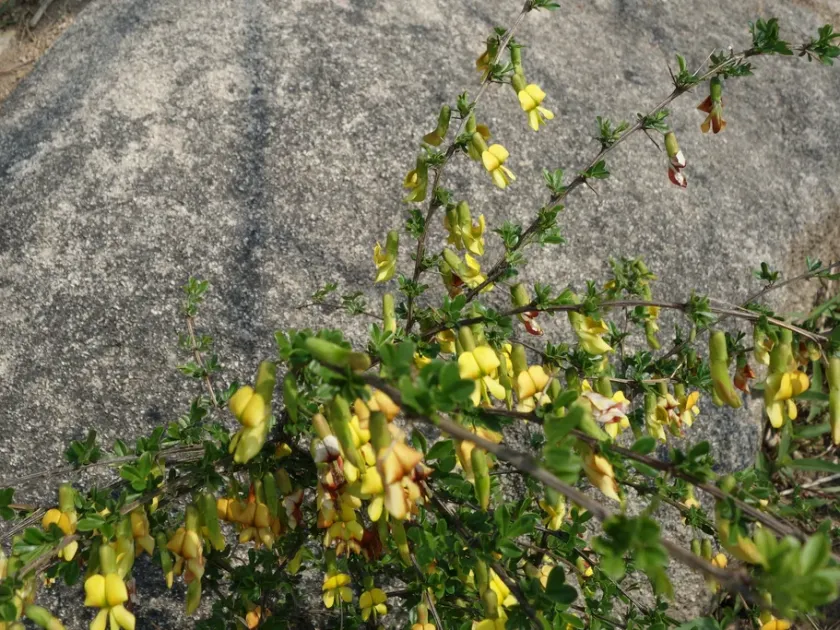
Description
Growing requirements
The Chinese peashrub (Caragana sinica) is a hardy deciduous shrub belonging to the Fabaceae family. Native to East Asia, particularly China, this species is well-adapted to rocky slopes, thin soils, and diverse mountainous terrains.
The plant requires full sun to partial shade for optimal growth and flowering. It is highly valued for its drought tolerance and its ability to thrive in poor, sandy, or rocky soils, contributing significantly to soil stabilization and ecological restoration projects.
Climatically, the Chinese peashrub is resilient to harsh winters, making it suitable for various temperate zones. However, it requires well-drained soil conditions and is susceptible to root rot if water stagnation occurs, necessitating careful site selection.
Agronomic management involves minimal intervention once established. Propagation can be achieved through seeds or cuttings, with primary maintenance focused on pruning for shape and removing deadwood to ensure healthy development of the crown.
Its primary uses include erosion control in reforestation efforts, acting as a nitrogen-fixing plant to enrich soil fertility, and serving as a nectar-producing source for pollinators in early spring.
Main diseases and pests
Like many members of the legume family, Caragana sinica can be susceptible to fungal diseases such as powdery mildew or rust, especially in environments with high humidity and poor air circulation.
Insect pests, including aphids and leaf-eating beetles, may cause damage during the growing season. Integrated pest management and maintaining proper plant vigor are essential for long-term health.