
Littleleaf Peashrub
Caragana microphylla
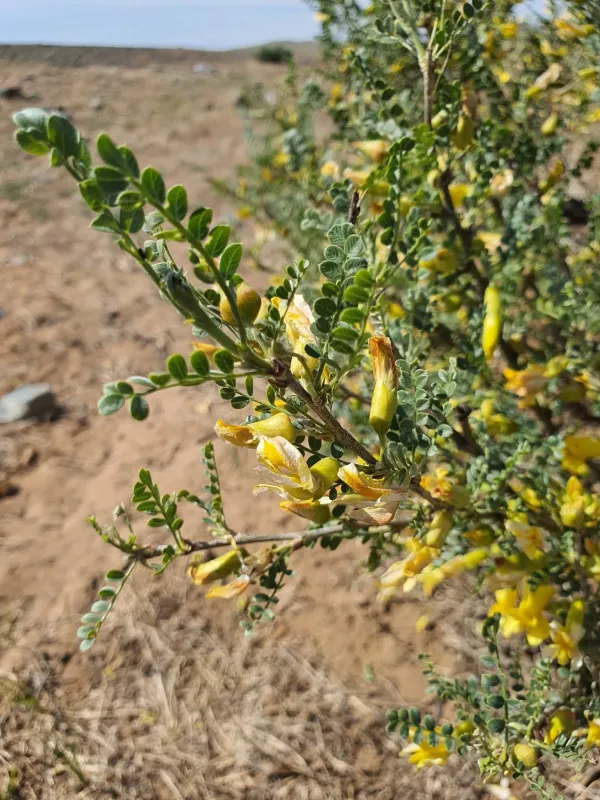
Description
Sowing dates
Sowing of Caragana microphylla seeds is best performed in early spring after the seeds have undergone a cold stratification process to improve their germination rates.
The seeds should be sown at a depth of 2–3 centimeters in well-prepared, loose soil. Maintaining consistent moisture during the early seedling stage is essential for establishing a strong root system.
For large-scale agricultural projects, utilizing 1–2 year-old saplings is the preferred method, as it significantly increases the survival rate compared to direct seeding.
Planting distances vary based on the intended use; for windbreak belts, rows should be spaced 2–3 meters apart to allow for proper development and mechanical maintenance.
Early maintenance includes thorough weeding and the use of mulch to preserve soil moisture, which helps the young plants thrive during their first year in the field.
Growing requirements
Caragana microphylla is a member of the Fabaceae family, highly valued for its extreme hardiness and ability to thrive in harsh, continental climate conditions.
The plant demonstrates remarkable adaptability to various soil types, including sandy, rocky, and low-fertility soils, provided they have adequate drainage.
This species is highly light-demanding. Optimal solar exposure is necessary to maintain a dense growth habit and to promote a profuse flowering period in late spring.
It exhibits superior drought tolerance, utilizing its deep and extensive root system to access groundwater, which makes it ideal for arid and semi-arid regions.
Furthermore, it is resistant to cold, drying winds, making it an excellent choice for protective shelterbelts that shield crops from wind damage and reduce soil erosion.
Yield
In agricultural practice, this shrub is primarily utilized for land reclamation, soil erosion prevention, and as a component of protective forest shelterbelts.
It serves as an excellent early-season honey plant, providing crucial nectar resources for pollinators when few other flowering plants are active in the landscape.
The foliage can contribute to agroforestry systems, providing shade for livestock and serving as a supplementary forage source in regions where traditional grazing is limited.
Caragana species are known to improve soil nitrogen levels through symbiotic bacteria, enhancing the fertility of the soil in which they are cultivated.
Landscape designers often employ the littleleaf peashrub for hedge creation and topiary, as it recovers exceptionally well from regular shearing and pruning.
Main diseases and pests
Common pests affecting the littleleaf peashrub include leaf beetles and sawflies, which can cause significant defoliation if infestation levels are not managed.
Aphids may occasionally attack the tender new growth during warm, dry spells, necessitating localized insecticide treatments to maintain plant vigor.
Fungal diseases such as leaf rust can occur in environments with poor air circulation or excessively high humidity, leading to premature leaf drop.
Preventive care involves regular sanitary pruning to remove dead or diseased wood and ensuring the plantation density allows for sufficient airflow.
Monitoring for rodent damage during the winter months is a necessary practice, particularly in younger plantations where the bark may be susceptible to gnawing.