
Caragana franchetiana
Caragana franchetiana
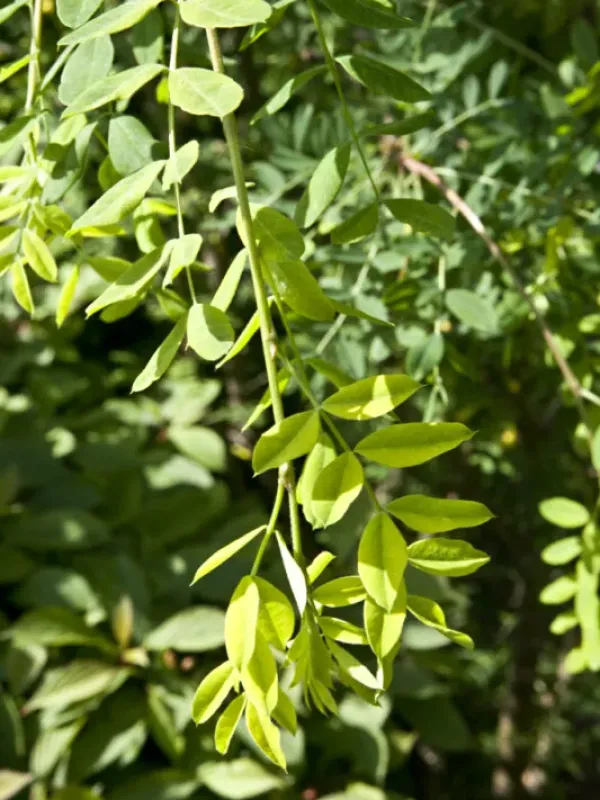
Description
Growing requirements
Caragana franchetiana is a resilient shrub belonging to the Fabaceae family. Known for its adaptability, this species is frequently used in landscape design and soil stabilization projects due to its ability to thrive in challenging environments and fix nitrogen in the soil.
Originating from the mountainous regions of China, this plant is naturally suited to rocky terrain and varying alpine climates. Its hardiness makes it a reliable choice for sustainable gardening in temperate zones, where other ornamental shrubs might struggle.
Botanically, it features pinnate leaves and distinctive yellow papilionaceous flowers typical of the genus. The stems are armed with thorns, providing both ornamental structure and a natural barrier, making it an excellent candidate for protective hedge plantings.
Regarding cultivation requirements, the shrub prefers sunny locations with well-drained soil. While it is tolerant of poor, infertile ground, it performs best in slightly alkaline or neutral soil types, avoiding heavy clay substrates that lack adequate aeration.
Basic agronomy involves routine pruning to maintain the desired shape and density of the canopy. Young specimens require supplemental watering during the first season, but once established, the plant exhibits remarkable drought tolerance and minimal maintenance needs.
Main diseases and pests
The primary pests affecting Caragana franchetiana are aphids, which tend to congregate on young, succulent leaves. Early intervention with insecticidal soaps or biological controls effectively manages aphid populations without harming the surrounding ecosystem.
Fungal issues, such as powdery mildew, may occur in humid conditions with poor air circulation. Improving plant spacing and ensuring the canopy remains open through strategic pruning are the most effective preventative measures against fungal pathogens.
Leaf-feeding insects can occasionally impact the plant's aesthetic value during the peak growing season. While these rarely threaten the overall health of the shrub, regular monitoring helps decide if manual removal or treatment is necessary.
Root rot is uncommon but can result from overwatering or poorly drained planting sites. Proper site selection and avoiding waterlogged soil are critical factors in preventing root-related diseases and ensuring the longevity of the plant.
In cases of severe infestation or disease, removing and destroying affected foliage is recommended to contain the spread. Maintaining a healthy and well-ventilated garden environment serves as the best long-term defense against common pests and threats.