
Canavalia africana
Canavalia africana
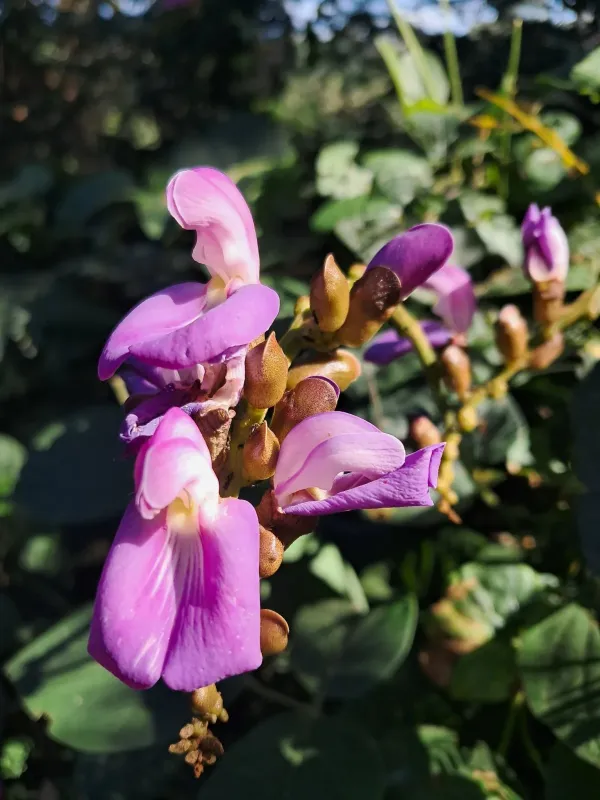
Description
Growing requirements
Canavalia africana is a vigorous climbing legume belonging to the Fabaceae family. It is native to the tropical regions of Africa, where it thrives in diverse environments, including coastal areas and tropical forest edges.
This species is highly valued for its ability to improve soil fertility through symbiotic nitrogen fixation. It grows best in well-drained loamy soils and exhibits strong resilience to varying soil textures, provided that the growing medium is not prone to waterlogging.
Climatically, the crop requires warm temperatures and consistent moisture throughout the growing season. As a photophilic plant, it demands full exposure to sunlight to achieve optimal biomass production and seed development.
Agronomic practices for this culture typically involve the use of structural supports, such as trellises, as the plant exhibits strong vining habits. When used as a cover crop, it is managed to prevent soil erosion and suppress invasive weeds effectively.
The primary agricultural uses include high-protein fodder for livestock and green manure application. While the seeds can be consumed, they must be processed correctly to remove anti-nutritional compounds present in the raw legumes.
Main diseases and pests
Major pathological risks for Canavalia africana include fungal diseases such as leaf spots, anthracnose, and powdery mildew. These issues are most prevalent in humid conditions with poor air circulation.
Insect pests, including various bean weevils, aphids, and spider mites, pose significant challenges during the growth and seed maturation phases. Integrated pest management, including regular field scouting and seed treatment, is essential to minimize losses.