
Globe pea-shrub
Caragana frutex
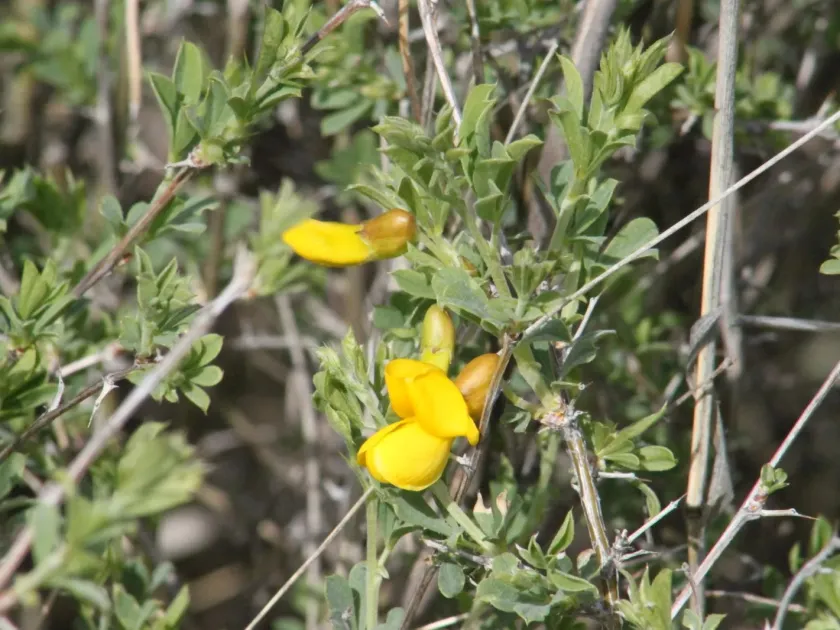
Description
Sowing dates
Sowing of Caragana frutex should ideally occur in the spring after the soil has warmed sufficiently. Seeds require scarification of the seed coat to improve water absorption and germination rates significantly.
The optimal planting depth is about 2-3 centimeters in well-drained sandy or loamy soils. Seeds should be spaced to allow for proper airflow, as this helps prevent fungal issues in the juvenile stage.
Regular irrigation is necessary until seedlings are established, usually within the first 6-8 weeks of growth. Once the root system is developed, the plant becomes remarkably drought-tolerant.
Autumn sowing is also a viable strategy in temperate regions, relying on natural winter stratification to break seed dormancy. This often results in higher germination uniformity the following season.
When using nursery-grown transplants, the planting pit should be twice the size of the root ball. Ensuring proper soil firming around the base helps stabilize the shrub during its initial growing phase.
Growing requirements
Caragana frutex belongs to the Fabaceae family and is recognized for its exceptional hardiness. It thrives in diverse environmental conditions, including poor, stony, or alkaline soils where many other plants fail.
As a nitrogen-fixing legume, the plant significantly improves soil fertility by converting atmospheric nitrogen into a form available for other vegetation. This makes it an ideal pioneer species for land restoration.
Full sunlight is the most critical requirement for healthy development and profuse flowering. While the plant can tolerate partial shade, its growth density and ornamental value are best expressed in full sun.
The species shows high resistance to wind, cold, and drought, making it an excellent candidate for shelterbelts and windbreaks. It requires minimal irrigation once fully established in the landscape.
Maintenance pruning is recommended to maintain the desired shape and density. The shrub responds well to heavy pruning, which encourages fresh growth and rejuvenates older, sparse specimens.
Main diseases and pests
The acacia scale (Parthenolecanium corni) is one of the primary insect threats, feeding on plant sap and potentially weakening the shrub's vigor. Early detection and application of horticultural oils can be effective.
Defoliating caterpillars may cause periodic damage, particularly during warm, humid spring months. Biological control methods or targeted insecticidal applications are recommended if infestation levels exceed thresholds.
Powdery mildew is the most common fungal ailment, appearing as a white dusting on leaves. Maintaining good air circulation within the shrub canopy is essential for preventative disease management.
Root rot caused by Phytophthora species can occur in poorly drained, waterlogged soils. Ensuring site selection with adequate drainage is the most effective preventative measure against soil-borne pathogens.
General hygiene, such as clearing leaf litter around the base of the plant, reduces the overwintering capacity of pests and pathogens, keeping the overall health of the shrub at high levels.