
Caragana sophorifolia
Caragana sophorifolia
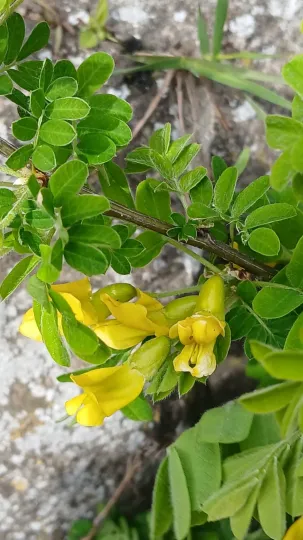
Description
Growing requirements
Caragana sophorifolia is a hardy shrub species belonging to the Fabaceae family, adapted to survive in harsh, arid, and semi-arid environments. It is recognized for its significant resilience to extreme temperature fluctuations and drought.
Originating from Central Asian regions, this plant is naturally suited to dry steppes and rocky terrains. Its distribution is closely linked to its ability to thrive in challenging landscapes where soil nutrients are scarce.
The plant demonstrates high adaptability to various soil types, particularly preferring well-drained, sandy, or rocky soils. It possesses a deep-reaching root system that is essential for water uptake in arid conditions.
Agricultural techniques for Caragana sophorifolia are relatively straightforward, focusing on proper establishment during the initial growth phases. It naturally improves soil quality by fixing atmospheric nitrogen.
The primary economic use of this plant is in land reclamation and erosion control. It is also an important forage plant in remote pasture areas, providing critical biomass where traditional crops would fail to establish.
Main diseases and pests
The main plant health issues involve fungal infections like rust, often triggered by prolonged humidity or stagnant water. Ensuring adequate airflow around the plants is a primary preventative measure.
Common pests include leaf-eating beetles and weevils that target foliage during the active growth season. Sustainable farming practices often favor biological pest control to maintain the health of the cultivation area.