
Orange pea shrub
Caragana aurantiaca
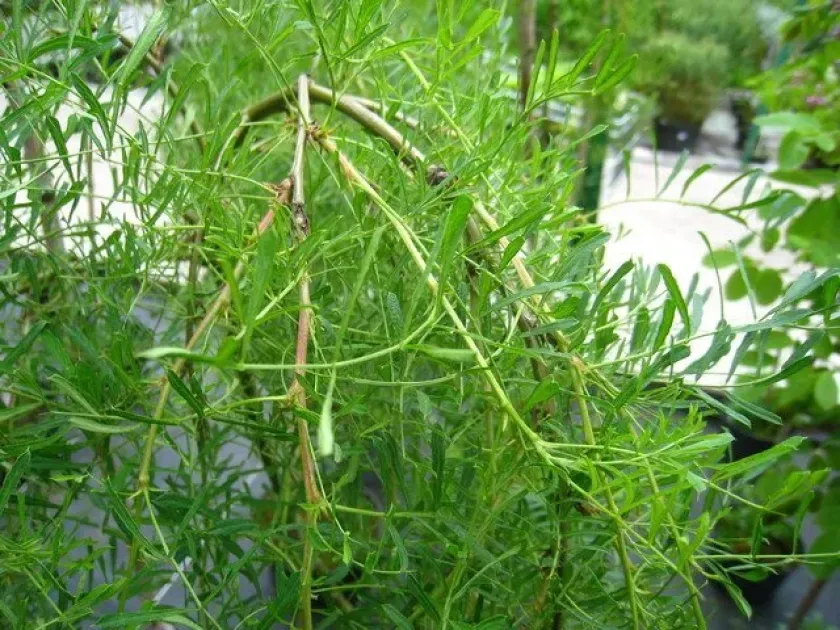
Description
Sowing dates
Sowing seeds of Caragana aurantiaca is typically carried out in the autumn, which allows for natural stratification during the winter months. This method results in a significantly higher germination rate compared to spring sowing without pre-treatment.
When spring sowing is necessary, seeds must be soaked in warm water for 24 hours to soften the hard seed coat. This preparatory step is essential to ensure uniform emergence of seedlings across the nursery bed.
The optimal planting depth for the seeds is approximately 2 to 3 centimeters, depending on the texture of the soil. Proper spacing between rows is required to allow sufficient light penetration and to facilitate easier weeding during the initial growth stages.
Young plants develop a vigorous root system, making them resilient once established. Regular but moderate watering is necessary during the first year of growth to ensure the plants reach a size where they can tolerate environmental stressors independently.
Vegetative propagation via cuttings is a viable alternative for maintaining specific traits. Softwood cuttings should be taken in mid-summer and placed in a high-humidity environment with a well-draining substrate to promote rapid root development.
Growing requirements
Caragana aurantiaca is a hardy deciduous shrub belonging to the Fabaceae family, originating from the mountainous regions of Central Asia. It is highly valued for its ability to thrive in harsh, nutrient-poor environments where many other species would struggle.
The plant is exceptionally drought-tolerant and prefers full sun exposure to maintain its compact, dense growth habit. It is highly resistant to extreme temperature fluctuations, making it an ideal choice for cold-climate regions and rocky slopes.
Regarding soil preferences, the orange pea shrub is adaptable to various types, including sandy and rocky soils. However, good drainage is vital, as the root system is susceptible to damage in waterlogged conditions where oxygen supply is restricted.
Maintenance involves periodic pruning to keep the shrub in a neat shape, especially when grown as a hedge. The plant responds exceptionally well to trimming, allowing for the creation of formal or informal barriers in a garden setting.
As a legume, this species engages in a symbiotic relationship with nitrogen-fixing bacteria. This allows it to flourish in soils that are low in organic matter, making it an excellent candidate for ecological restoration and soil stabilization projects.
Main diseases and pests
Powdery mildew is the most common fungal issue affecting the orange pea shrub, especially when planted in areas with poor air circulation. Ensuring adequate spacing between individual plants helps mitigate this risk by allowing foliage to dry quickly after rain.
Insects such as aphids may occasionally target new, succulent growth during the spring months. While generally not fatal, severe infestations can reduce the aesthetic appeal of the shrub, requiring targeted intervention with biological soaps or mild insecticides.
Leaf-eating caterpillars can sometimes be observed on the foliage, but they rarely reach population levels that would threaten the survival of an established shrub. Manual removal is often sufficient for small-scale plantings in home gardens.
Preventative care is the best strategy against pests and diseases. By avoiding excessive nitrogen fertilization and ensuring the plants are not overcrowded, gardeners can foster robust health and natural resistance to common pathogens.
Monitoring the plant regularly during the peak growing season allows for the early detection of any health issues. Swift action at the first sign of symptoms usually prevents the need for broad-spectrum chemical applications.