
Pygmy peashrub
Caragana pygmaea
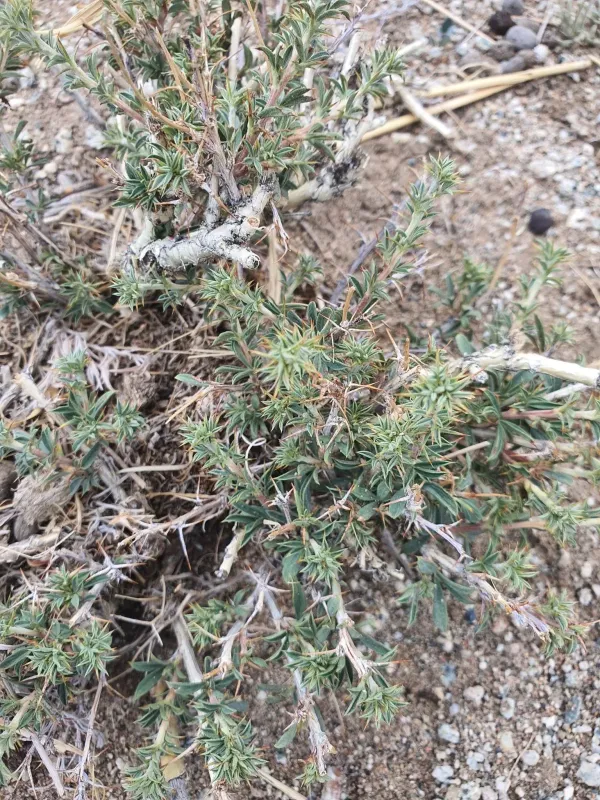
Description
Sowing dates
Seeds of the pygmy peashrub are typically sown in early spring. It is highly recommended to scarify the seeds beforehand, as the seed coat is hard and requires moisture penetration to initiate germination.
The sowing depth should be maintained at approximately 2-3 centimeters. Light, well-draining soil mixes are preferred for nursery cultivation to prevent seed rot during the initial stages of development.
For vegetative propagation, softwood cuttings are taken during the summer months. Successful rooting requires a humid environment and protection from direct sunlight until the root system is established.
When planting, ensure adequate space is provided for air circulation. While compact in form, the shrub benefits from room to spread its branches without creating dense clusters that trap moisture.
Seedlings develop slowly, focusing most of their initial energy on establishing a deep and robust root system, which allows the plant to survive in harsh, arid environments later in life.
Growing requirements
Caragana pygmaea belongs to the Fabaceae family and is renowned for its exceptional tolerance to poor soil conditions. It thrives in gravelly, rocky, and sandy substrates that offer little organic matter.
This shrub is a sun-loving plant that demands full exposure to light to maintain its compact, dense growth habit. Insufficient light results in elongated stems and diminished flowering capacity.
The species is highly adaptable to a wide range of climatic conditions, demonstrating excellent frost hardiness. It is specifically suited for regions characterized by dry summers and cold winters.
Water requirements are relatively low once the plant is established. It shows remarkable drought resistance, making it an ideal choice for xeriscaping and areas where irrigation is limited.
Due to its ability to fix atmospheric nitrogen via root nodules, the plant is an excellent candidate for soil stabilization projects on slopes or land reclamation efforts in nutrient-deficient areas.
Main diseases and pests
Aphids are the most common pests affecting this shrub. They typically target the tender green shoots, and a significant infestation can weaken the plant and reduce its aesthetic appeal.
Fungal diseases, including leaf spot, may occur in humid or overcrowded conditions. Proper pruning to allow air circulation through the canopy is a preventative measure against such issues.
Spider mites can become a problem during prolonged hot and dry weather. They thrive in dusty environments, so maintaining moderate moisture around the plant can help deter them.
Regular sanitation, which includes removing dead or diseased wood, is essential for maintaining the overall health and vigor of the specimen throughout the growing season.
Integrated pest management, including the use of systemic insecticides or biological controls, can be implemented if pest pressure exceeds the threshold for ornamental quality.