
Caragana versicolor
Caragana versicolor
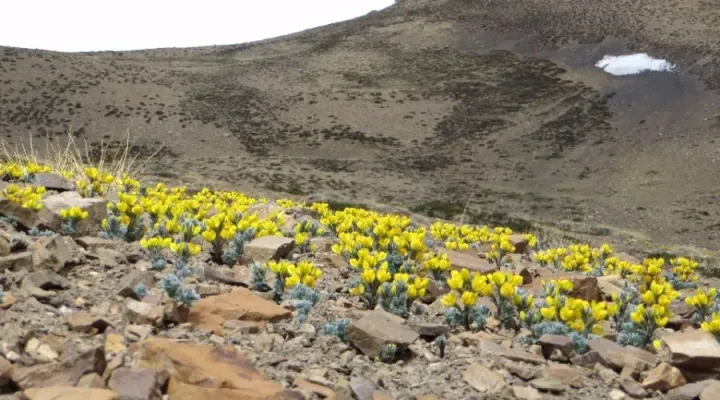
Description
Growing requirements
Caragana versicolor is a resilient perennial shrub belonging to the Fabaceae family, native to the high-altitude regions of the Himalayas and Tibet. This species is highly valued for its exceptional ability to thrive in extreme climatic conditions where other plants struggle to survive.
Botanically, the plant features thorny, dense branches that provide protection against browsing animals and harsh wind. The foliage consists of pinnate leaves adapted to high radiation environments, and the flowers typically exhibit vibrant colors, ranging from shades of yellow to reddish-purple.
The crop is strictly heliophilic, requiring full sun exposure to maintain its growth vigor and structural integrity. It is exceptionally cold-hardy and drought-tolerant, making it an excellent choice for windbreaks and shelterbelts in arid or sub-alpine environments.
Soil requirements for Caragana versicolor are undemanding; it flourishes in rocky, gravelly, or sandy soils with neutral to alkaline pH levels. Like most legumes, it maintains a symbiotic relationship with nitrogen-fixing bacteria, which allows it to thrive in nutrient-poor substrates.
From an agricultural standpoint, this species is essential for soil stabilization and landscape restoration. It acts as a pioneer plant, improving soil quality for subsequent vegetation by increasing nitrogen content and protecting the surface from wind and water erosion.
Main diseases and pests
The primary threats to Caragana versicolor populations include leaf-eating insects and aphid infestations that target the tender growth during the spring season. Excessive moisture levels in poorly drained areas can also lead to root pathogens, which may weaken the overall health of the shrub.