
Tibetan caragana
Caragana tibetica
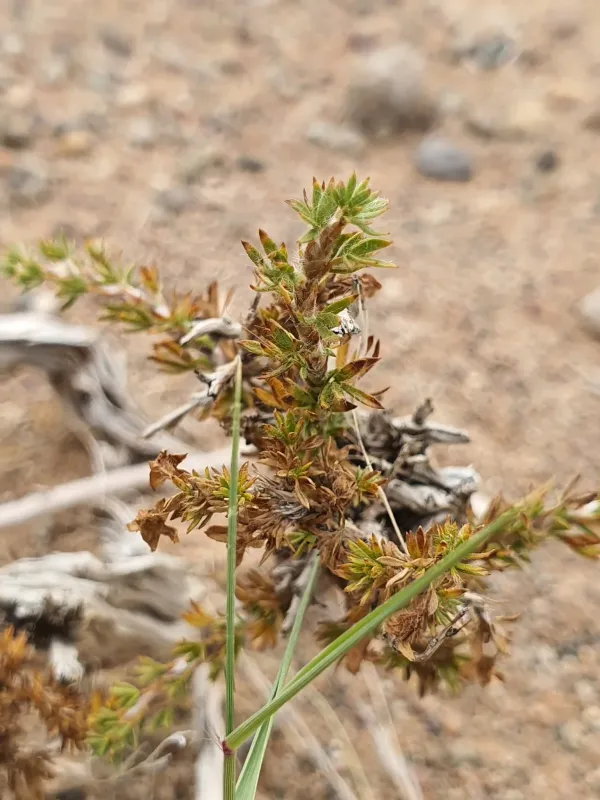
Description
Growing requirements
Tibetan caragana (Caragana tibetica) is a perennial shrub belonging to the Fabaceae family. This species is widely recognized for its ability to thrive in the harsh, high-altitude desert environments of the Tibetan Plateau.
The plant originates from the cold, arid regions of Central Asia, where it has evolved specific morphological traits to survive extreme wind, drought, and dramatic temperature fluctuations.
Tibetan caragana is highly adaptable to poor-quality soils, including sandy, rocky, or saline environments. Its deep, robust root system helps secure the soil, making it a critical plant for land reclamation projects.
The cultural requirements are simple but specific: it demands full sunlight and excellent soil drainage. It cannot tolerate waterlogging, which often leads to root rot and eventual death of the shrub.
In agricultural practice, this shrub is valued as a hardy forage plant for livestock, particularly in grazing systems where more delicate crops fail to establish. It also serves as a windbreak and a stabilizer for shifting desert sands.
Main diseases and pests
Aphids are the most common pests that infest the tender foliage of the Tibetan caragana during the early growing season, potentially stunting its vegetative growth.
During periods of unexpected moisture or humidity, the plant may become susceptible to fungal infections that attack the roots and lower stems.
Seed-eating insects can pose a significant challenge to seed production, necessitating careful monitoring if the plant is being cultivated for propagation.
Maintaining a dry, well-ventilated environment is the most effective biological defense against most pathogens that could affect the health of the shrub.
Standard field management for this crop involves removing diseased branches and ensuring that the planting density allows for sufficient airflow around each individual plant.